
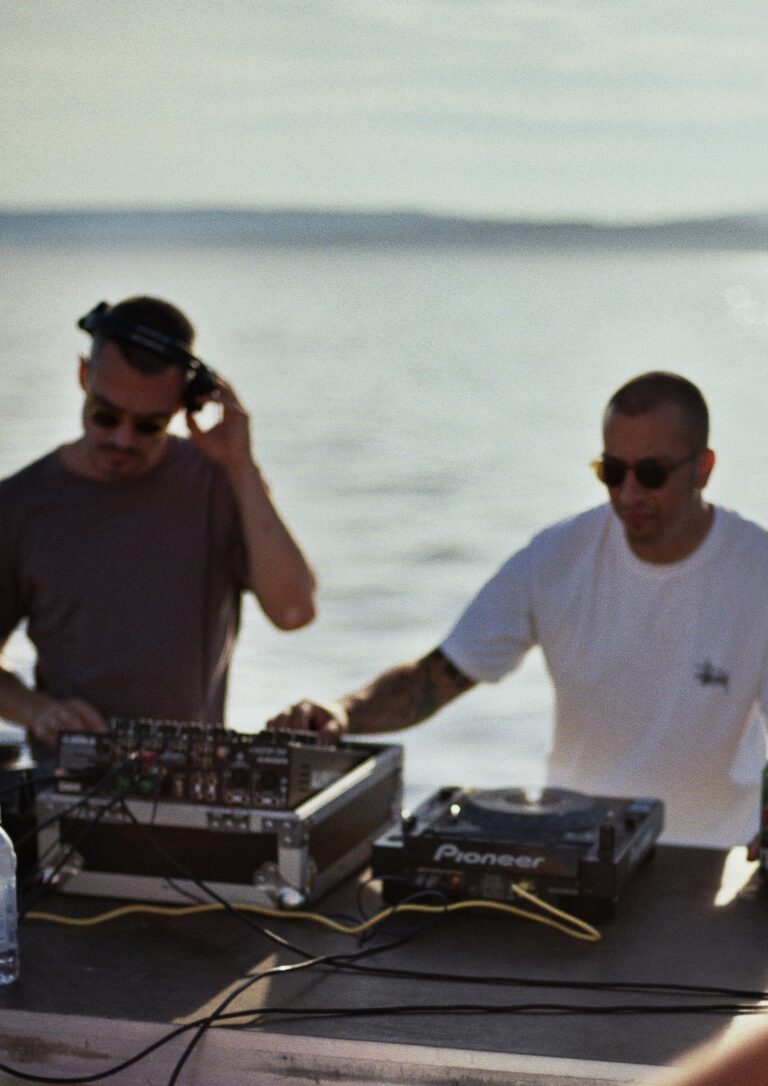
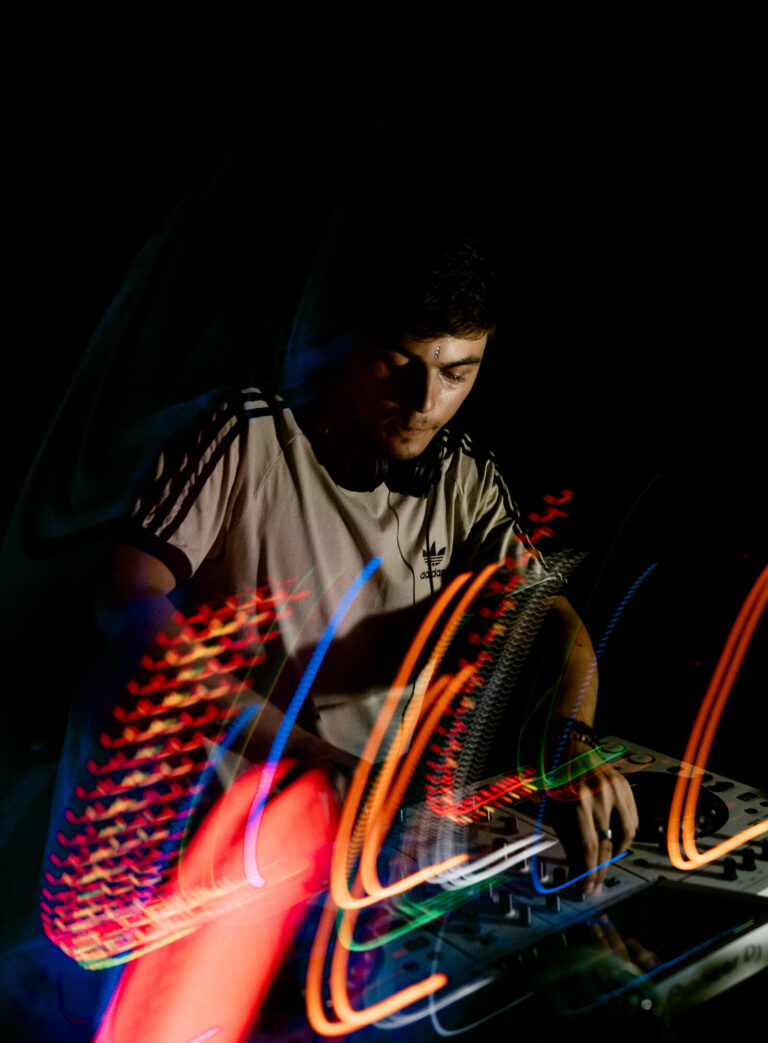


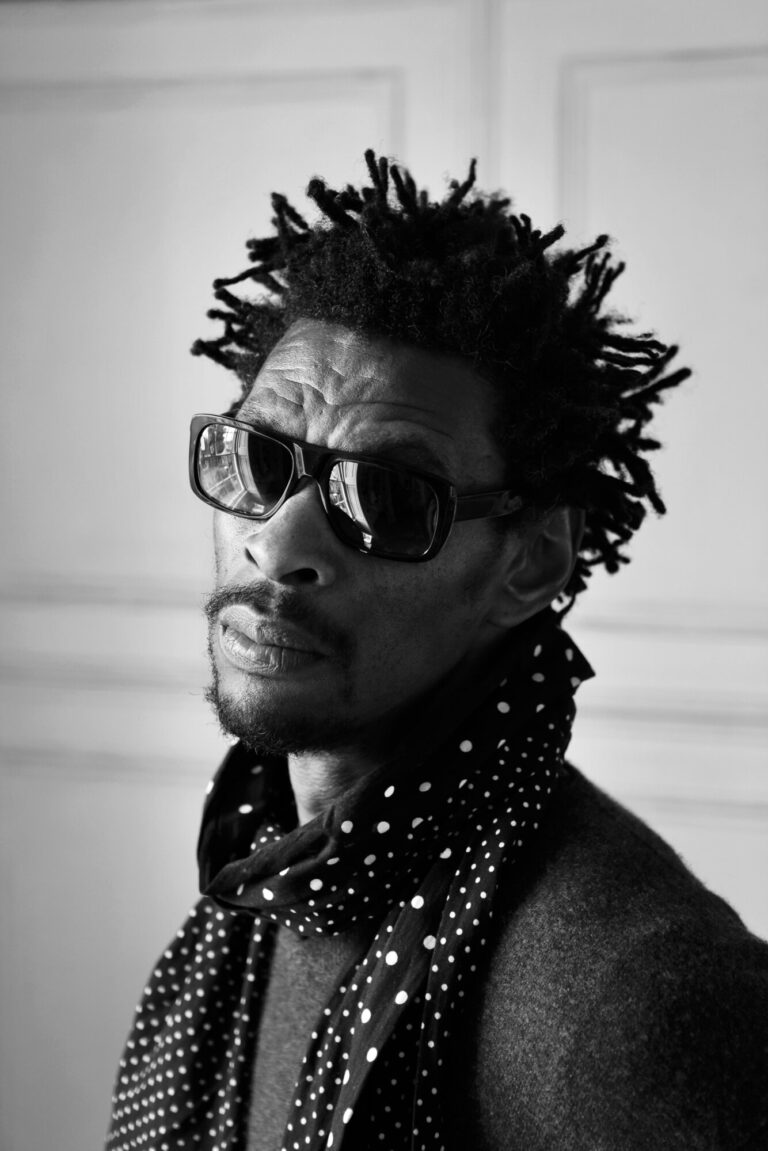



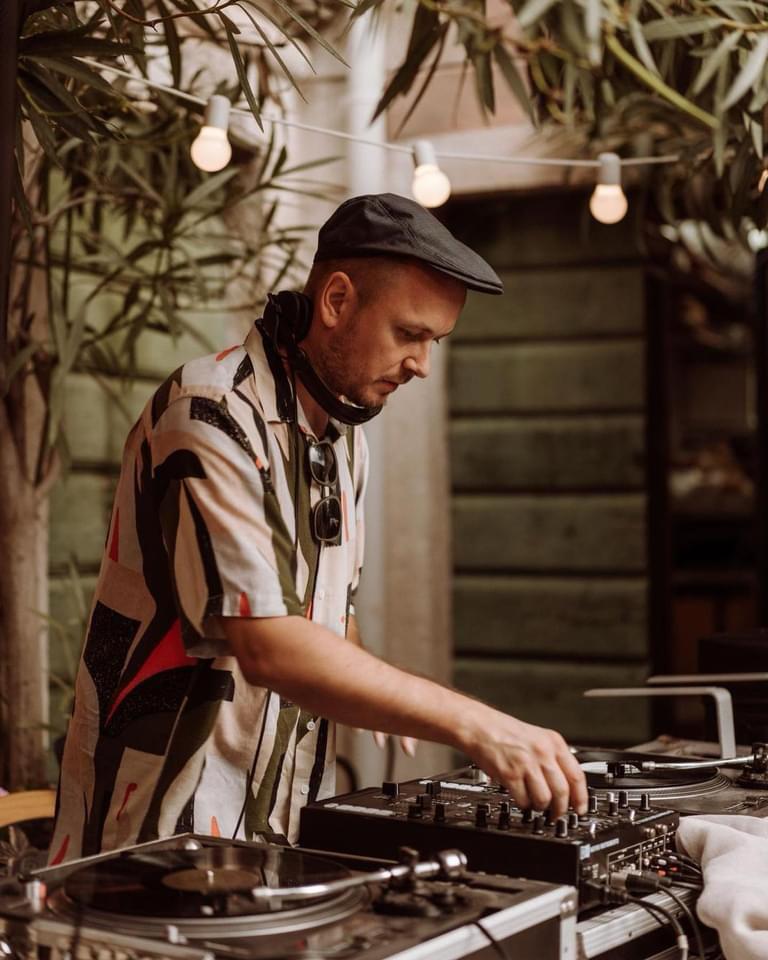

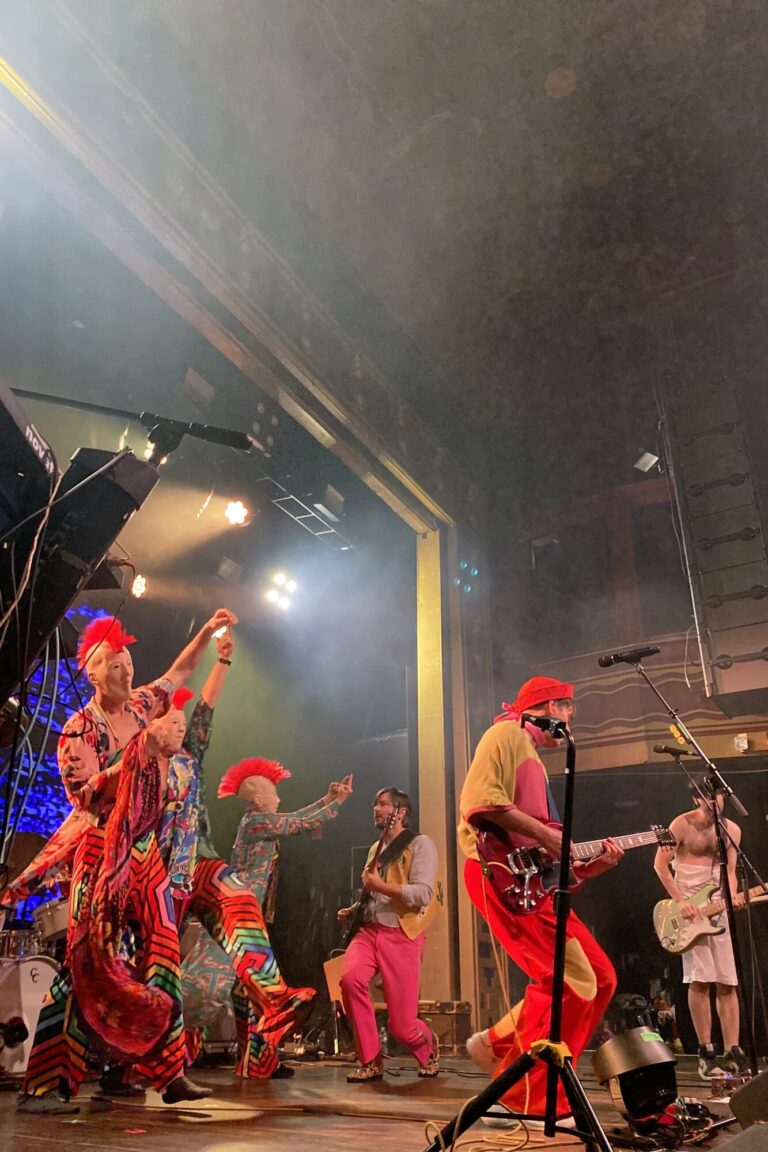


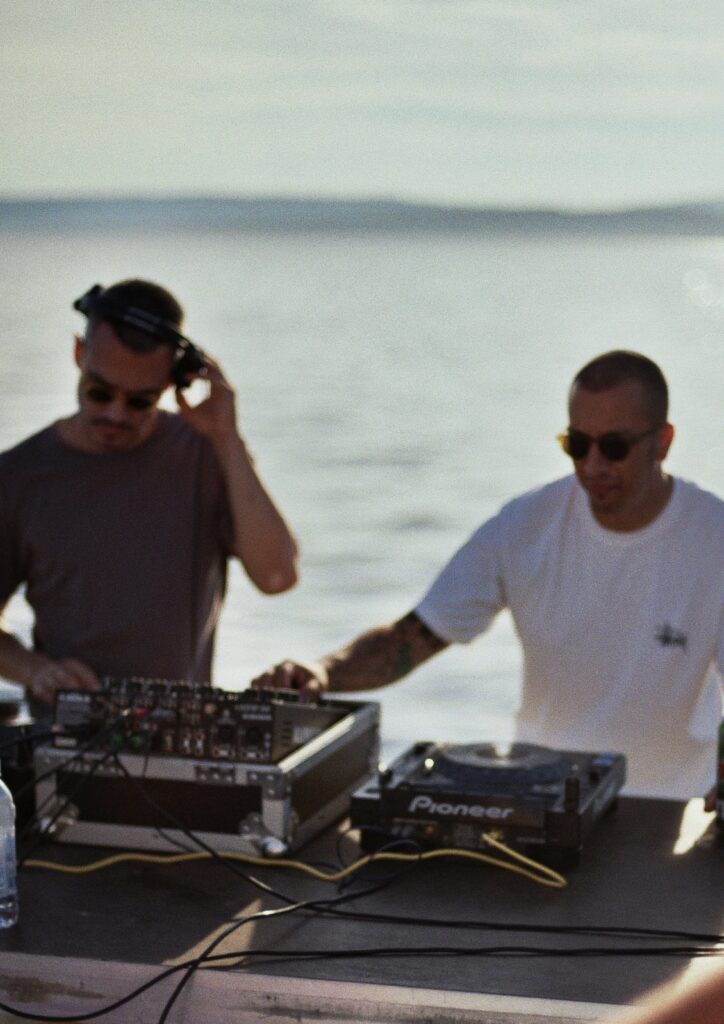
Adriatic Social Club DJs are a collective made up of the resident DJs of the club of the same name. Over the past few years, ASC DJs have appeared on the line-ups of most major Croatian and international festivals, as well as at all the key clubs across the former Yugoslavia.
Since opening, Adriatic Social Club has established itself as a unique oasis of good vibes, accompanied by the perfect musical soundtrack. Alongside leading international guest DJs such as Young Marco, Raphael Top Secret, Bayete, Vladimir Ivković, Zaltan, Millos Kaiser, Invisible City Soundsystem, Marcel Vogel and Apiento, as well as some of the best Croatian and regional DJs who regularly perform at ASC, the club’s resident DJs are at the heart of its musical identity, bringing a cutting-edge selection to the dancefloor weekend after weekend.
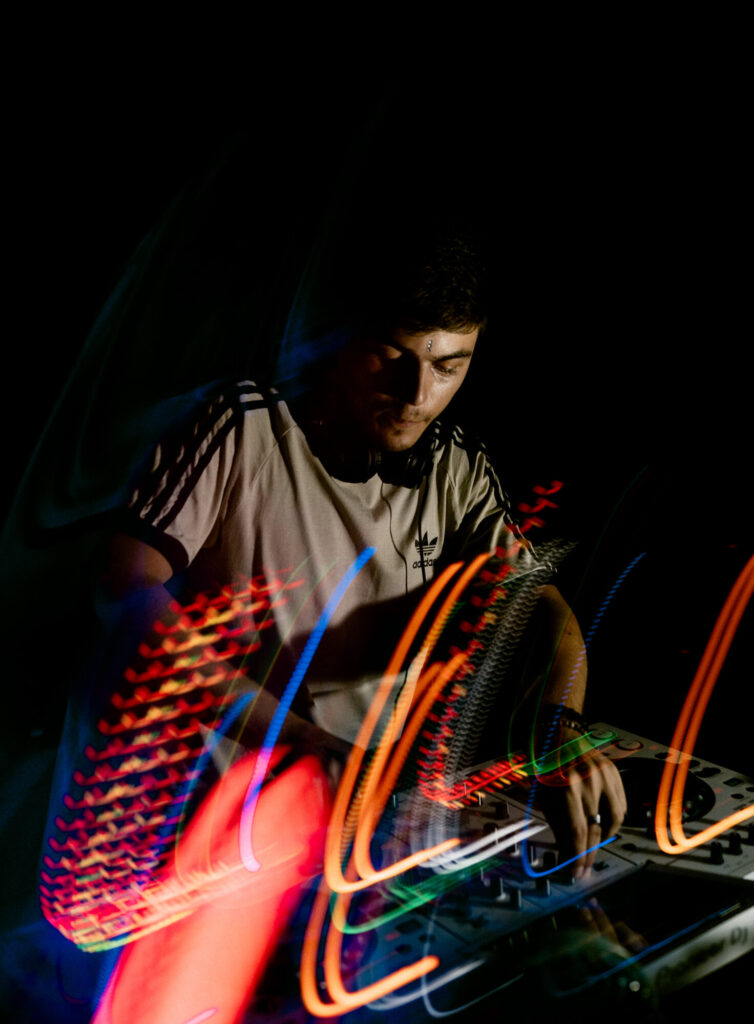
Mateo Miošić, better known as After Ego, is a key figure on Split’s club scene. He has honed his skills over years of working in a wide range of settings, from cruise ships to some of Split’s most iconic clubs. Today, he is best known as a co-founder of the underground collective Peta Dijagnoza, whose work continues to keep the local scene active.
He has been involved in the underground scene as a DJ, promoter and organiser since 2019 and, despite the challenges along the way, continues to pursue his path with the same energy. His dedication to music is unwavering, reflected in the consistency of his work across different creative roles.

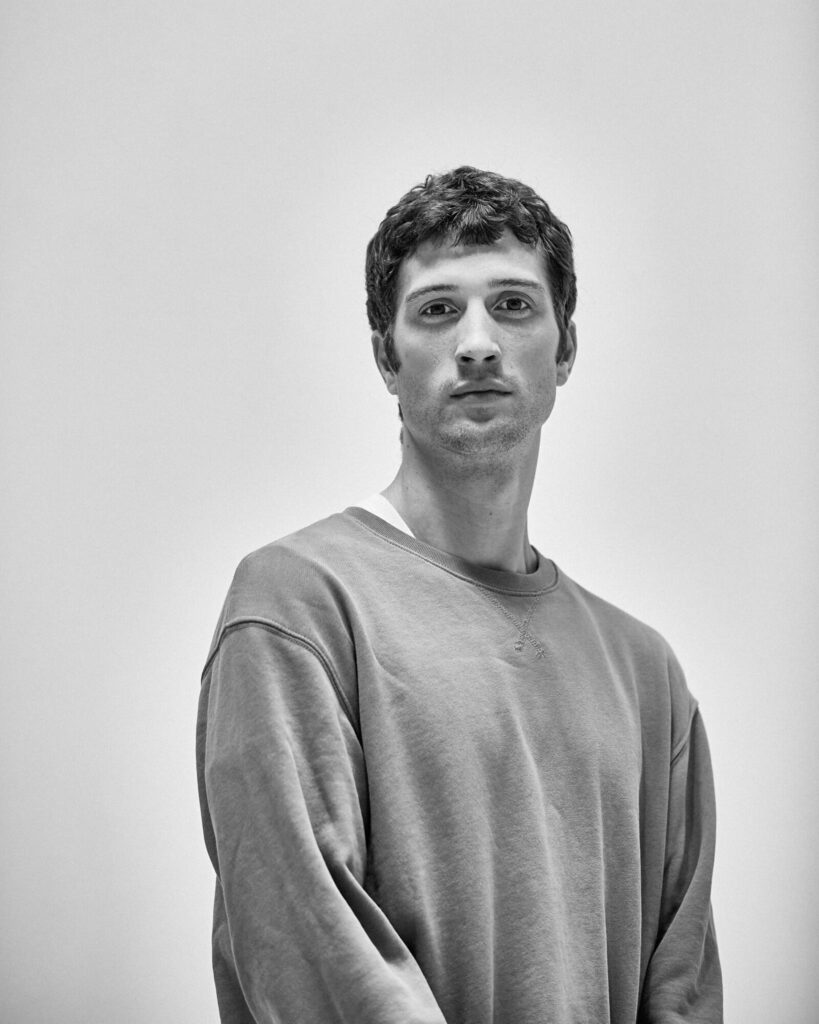
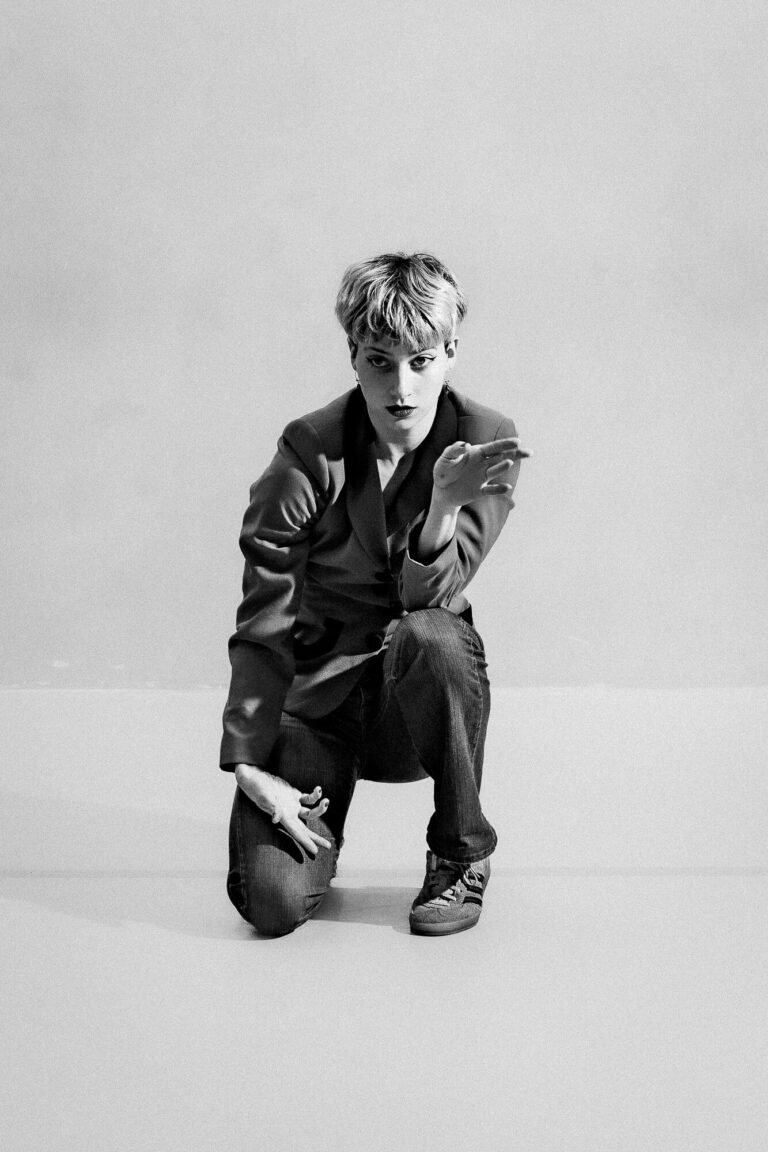
Alejandro Moya is a dancer, choreographer and educator, and since 2020 a member of the acclaimed Belgian company Peeping Tom. He began his artistic journey in breakdance at the age of ten before training in Contemporary Dance at the Professional Conservatory of Madrid. He has collaborated with renowned choreographers including Dani Pannullo, Sharon Fridman, Korsia and António Ruz. His own works include LUCERO, Senza Scola, Las Descalzas and the solo DESVELO. Alongside his artistic practice, he teaches internationally, combining dance theatre, somatic practices, osteopathy and high-intensity physical training.
DESVELO is a contemporary dance solo inspired by the Japanese concept of tokonoma — a small contemplative space where only the essential remains. On stage, Alejandro Moya gradually builds and transforms his own space through movement, precision and attentive listening. Drawing on manual crafts, the piece connects physical labour with inner transformation, exploring care, silence, imperfection and fragility. Rather than presenting a finished image, DESVELO unfolds as a real process of making, revealing an intimate landscape gesture by gesture.
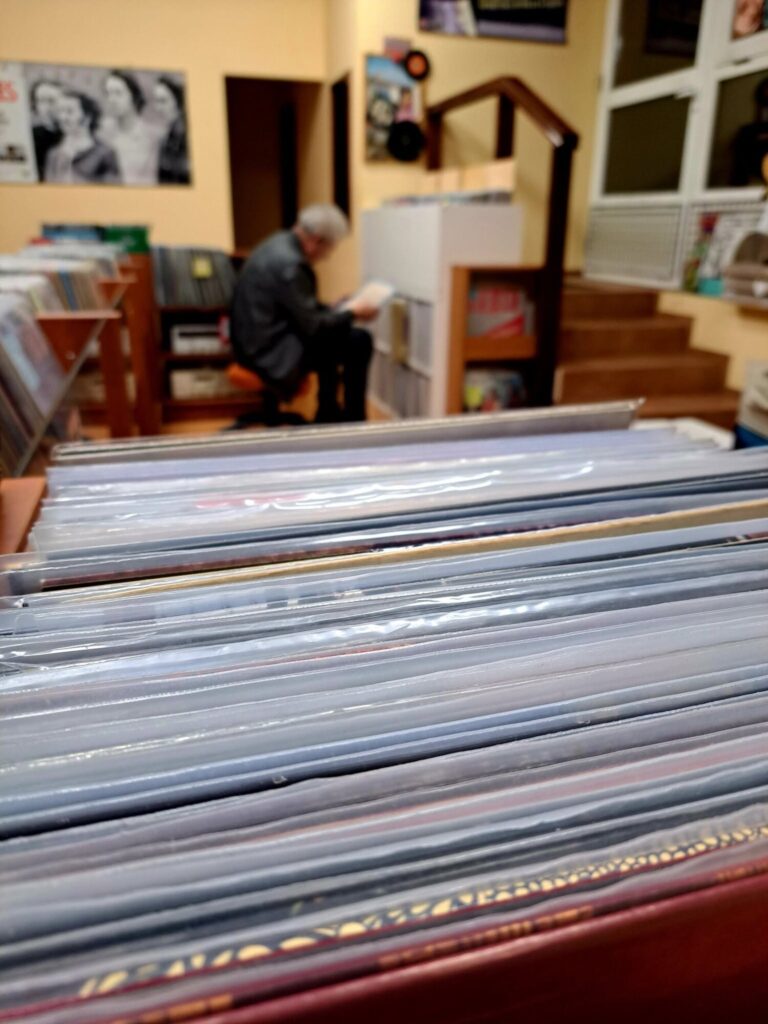
Analogija, a place dedicated to vinyl culture, listening to music and discovering records worth putting back on the turntable, brings a second-hand record fair to the Trokut terrace, thematically linked to Grandmaster Flash’s performance. The selection will feature second-hand vinyl spanning hip-hop, funk, soul, jazz, reggae and related genres, for everyone who enjoys digging through records and finding something they weren’t looking for.
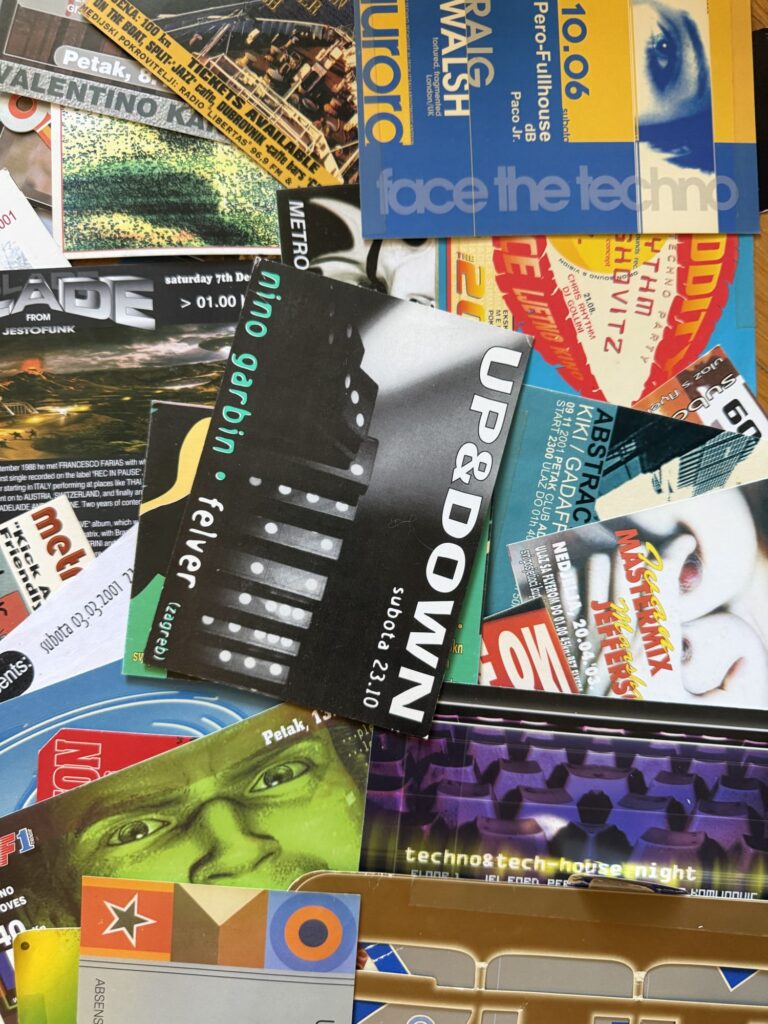
The exhibition Flyers and Stories – Split and Surroundings 1995 – 2005 serves as a kind of introduction to the book of the same title, which covers the first ten years of Split’s club scene and is expected to be published in 2027. Above all, the exhibition offers a portrait of a particular period, presenting a selection of flyers produced in Split and the surrounding area between 1995 and 2005—a decade in which music, clubs, concerts and various subcultural scenes developed their own distinctive and easily recognisable visual language.
The exhibition has been curated to include some of the most important and interesting visuals from that period, as well as the events, performers and venues that shaped the city’s music and club life. The selection is therefore guided not only by the design quality of individual flyers, but also by their place within the broader story of a scene that was emerging, developing and changing throughout those years. This was a time before social media and digital promotion as we know them today, so flyers were more than just a means of advertising. They were an important communication tool and part of the identity of the scene itself—small graphic artefacts distributed in clubs, cafés and on the streets, passed from hand to hand, and often kept long after the event had ended. Seen today, they become documents of their time: traces of a particular musical and visual culture, but also of the city, its places and the people who created that culture or, in a single word, memories.
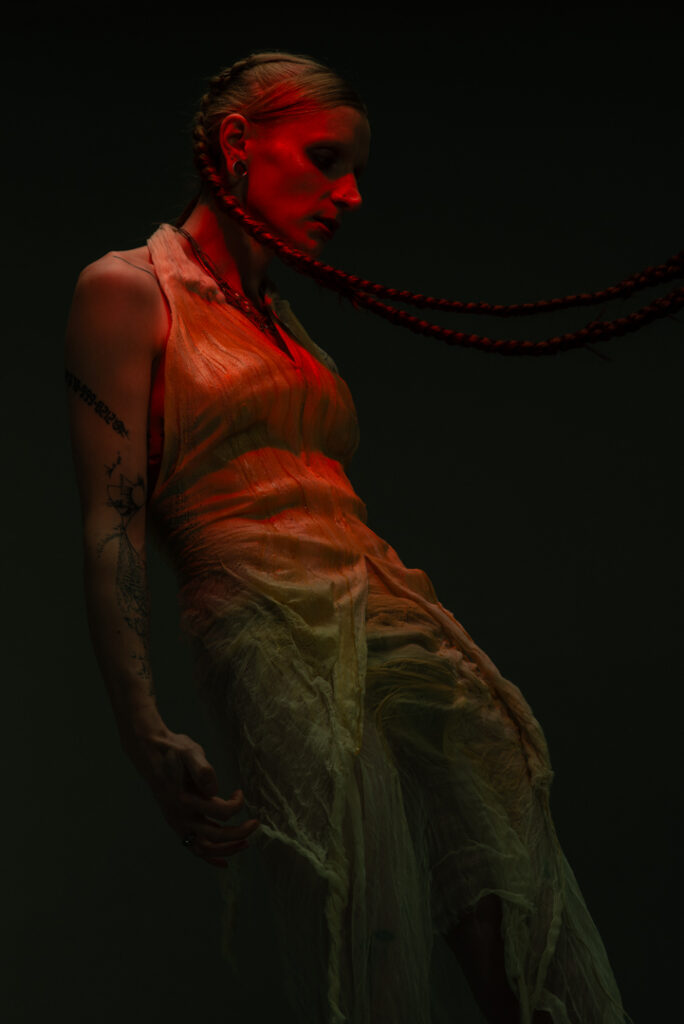
aya is one of the more distinctive voices in contemporary experimental electronic music, known for intense, highly physical live performances and DJ sets, as well as releases that consistently attract critical attention. Her 2021 debut album im hole received Pitchfork’s Best New Music designation, while hexed!, released by Hyperdub in 2025, was met with even greater critical acclaim.
A musician from the Pennine region of the North Atlantic, aya’s work explores experience, memory and the ways they affect the physical body. Drawing on soundsystem culture, decentralised internet scenes and a post-hardcore sensibility, she creates sharp, hybrid sonic forms that resist clear genre classification.
Her music has been released by Hyperdub, YCO, Tri Angle, Wisdom Teeth and Astral Plane Recordings, and she has also produced numerous remixes for other artists. Together with BFTT, she runs the YCO label, and has composed music for projects by the BBC, Manchester International Festival, NTS and CTM Festival.
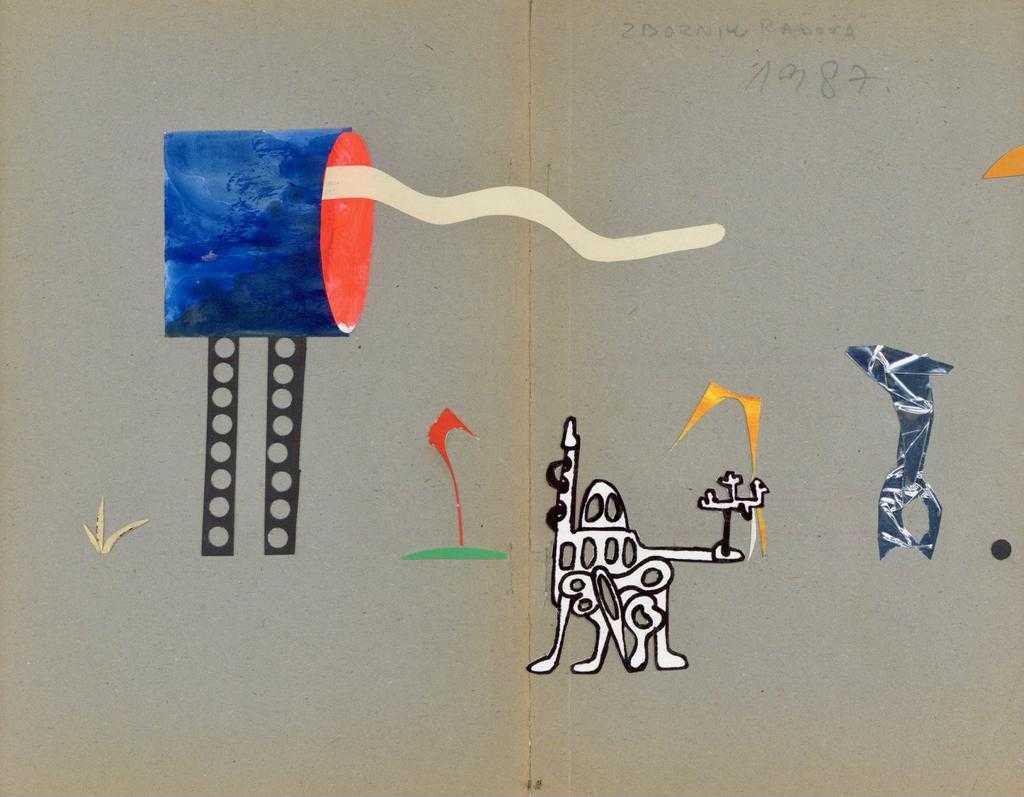
Collage stop-frame animation opens up a space where a static image becomes movement and cut-out elements take on new relationships, meanings and rhythms. Through hands-on work, participants will explore how simple animation techniques can be used to build characters, atmosphere and short visual narratives. They will create short animated clips lasting a few seconds, which can then be edited together into one collaborative short film. The animation process is conceived both as the beginning of an individual project and as an exercise and introduction to developing more ambitious ideas. Alongside collage, participants will also be able to incorporate drawn elements using markers and pencils if they wish.
Marko Tadić is one of Croatia’s prominent contemporary artists, whose practice encompasses drawing, collage, installation and animation. He graduated in painting from the Accademia di Belle Arti in Florence. He has received numerous awards, including the Radoslav Putar Award for Best Young Contemporary Artist in 2008.
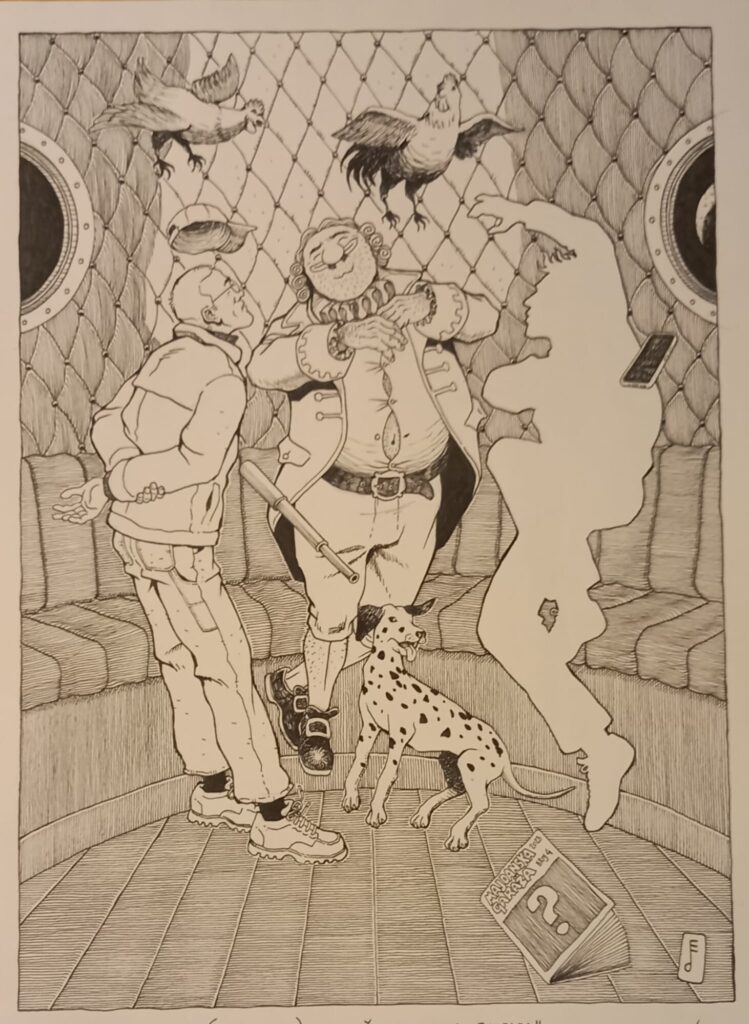
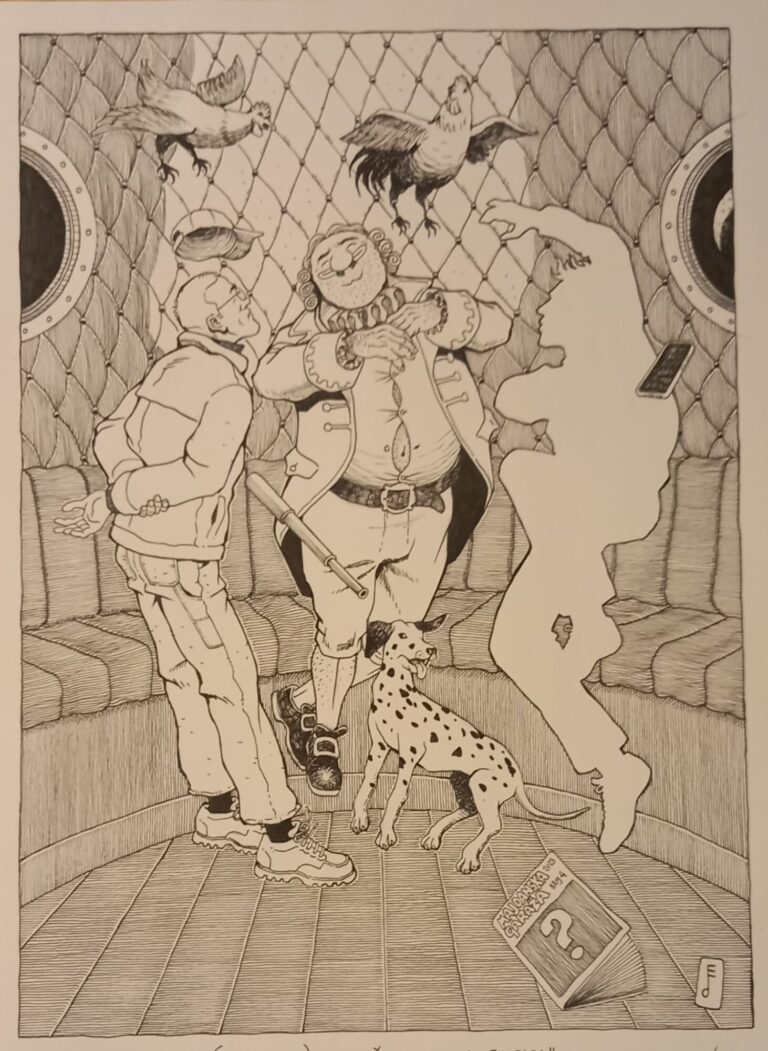
The workshop introduces participants to the basics of comics as a medium in which visual and narrative elements come together. After a brief introduction to the history of comics and their development alongside mass media, participants will go through the process from the initial idea to the creation of a complete comic page. The workshop will also touch on collaboration between writers and artists in comics created by more than one author.
Trained as an art teacher and conservator-restorer, Damir Ercegović has been publishing comics and illustrations since the 1990s. He has taken part in numerous international festivals and exhibitions of independent comics, and in 2001 published the short-comic collection Priče za laku noć with Split-based KUM. From 2014 to 2020, he worked as the artist on the Lavanderman project. He published the comic album Doživljaji Fabijana Puha won first prize for a one-page comic at the Strip susreti Virovitica festival.
Cirkus Kolektiv
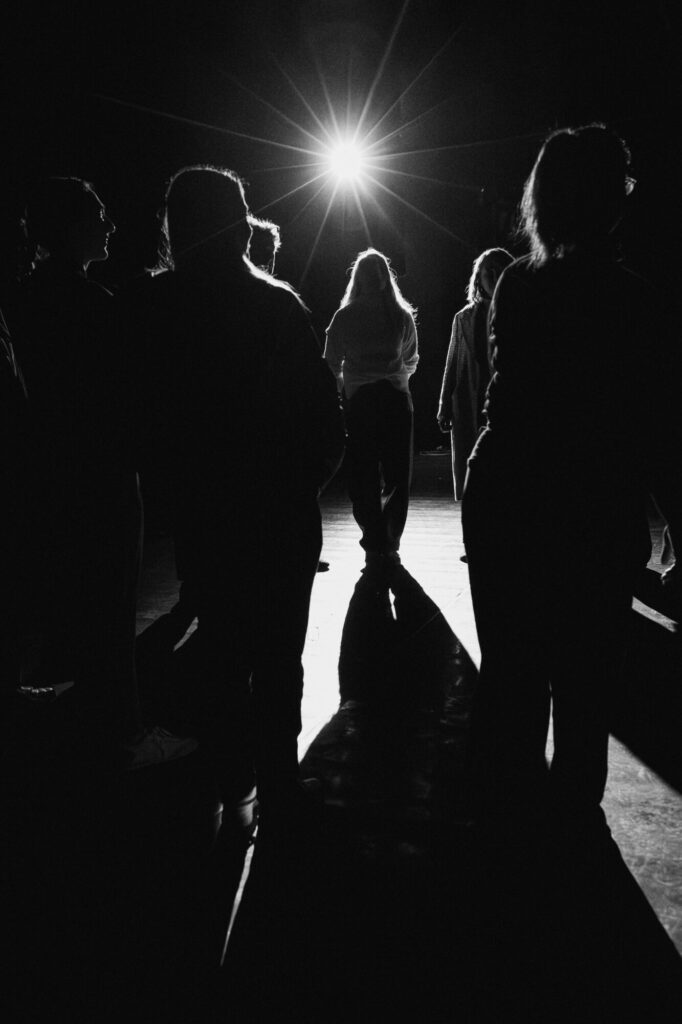
Conversations with the Building is a site-specific performance project that takes place in various, mostly unused areas of Dom mladih, creating relationships between artists, audiences, and the space itself. Conversations opens up hidden and otherwise inaccessible parts of the building, reflecting on the moment just before the upcoming reconstruction, which will completely transform the physical space as it has been known until now, along with the established habits and all the intangible elements that have inhabited Dom over the years.
The third edition of Conversations explores community as a means of survival at a time when external challenges seem overwhelming. In the space between what is ending and what has yet to begin, obstacles cease to be something that must simply be overcome and instead become a place where forms of mutual support, perseverance, and collective existence can be rediscovered.
Conversations with the Building is a performative walk and artistic project by the Cirkus Kolektiv association. The new edition is being developed through an intensive production process immediately ahead of the Planet Dom festival, in co-production with MKC.



Operation Crossroads was the name given to the first two of a total of twenty-three nuclear weapons tests conducted by the United States at Bikini Atoll between 1946 and 1958. The tests were recorded by more than 700 cameras and 500 cameramen, with nearly half of the world’s available film stock at the time brought to Bikini, making them one of the most extensively photographed events in history.
In Crossroads (1976), a landmark of American avant-garde cinema, Bruce Conner (1933–2008), one of the most significant American artists of the postwar era, transformed declassified footage of the tests from the National Archives into a hypnotic vision of nuclear catastrophe, accompanied by an original score by Patrick Gleeson and Terry Riley, composed for Moog synthesizer and electric organ.
The film will be presented in its digitally restored 2013 version.
Restoration: UCLA Film & Television Archive
Courtesy of: Conner Family Trust and Michael Kohn Gallery, Los Angeles
Photo © Conner Family Trust
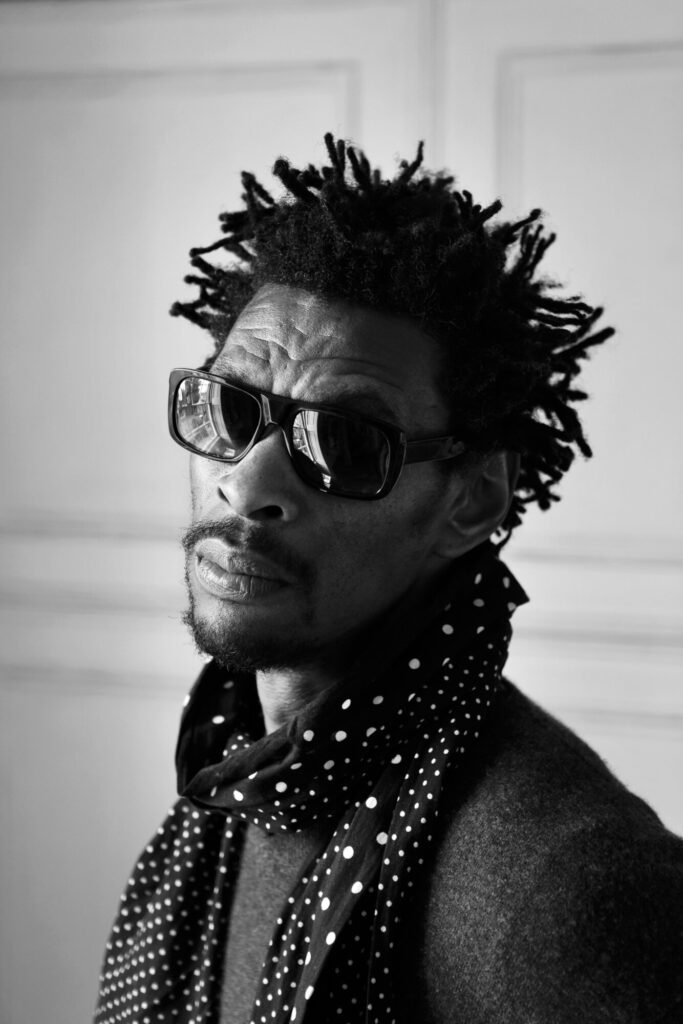
Very few people can rightfully claim to have influenced an entire generation, but Grant Marshall, a.k.a Daddy G, is one of them. As one of the key figures of the Bristol sound and a founding member of Massive Attack, his journey began in the early 1980s with the legendary sound system The Wild Bunch, one of the foundations of the musical movement that would later become known as trip-hop. He co-founded Massive Attack in 1988, and on their debut album Blue Lines he contributed vocals, guitar, keyboards and production, while his deep, instantly recognisable voice became one of the defining elements of the band’s sound.
Throughout his career, Daddy G has also been a hugely respected DJ, always bringing a wide range of genres into his sets. From reggae and punk to US house and hip-hop, his selections reflect the music that inspires and drives him — an eclectic approach he has stayed true to for more than four decades.
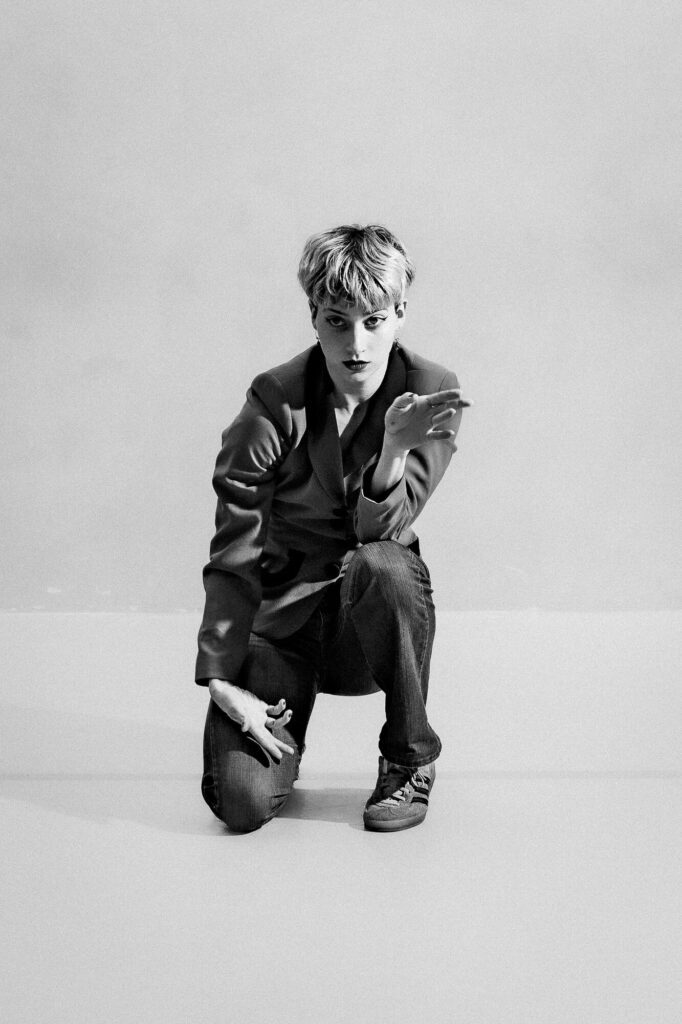
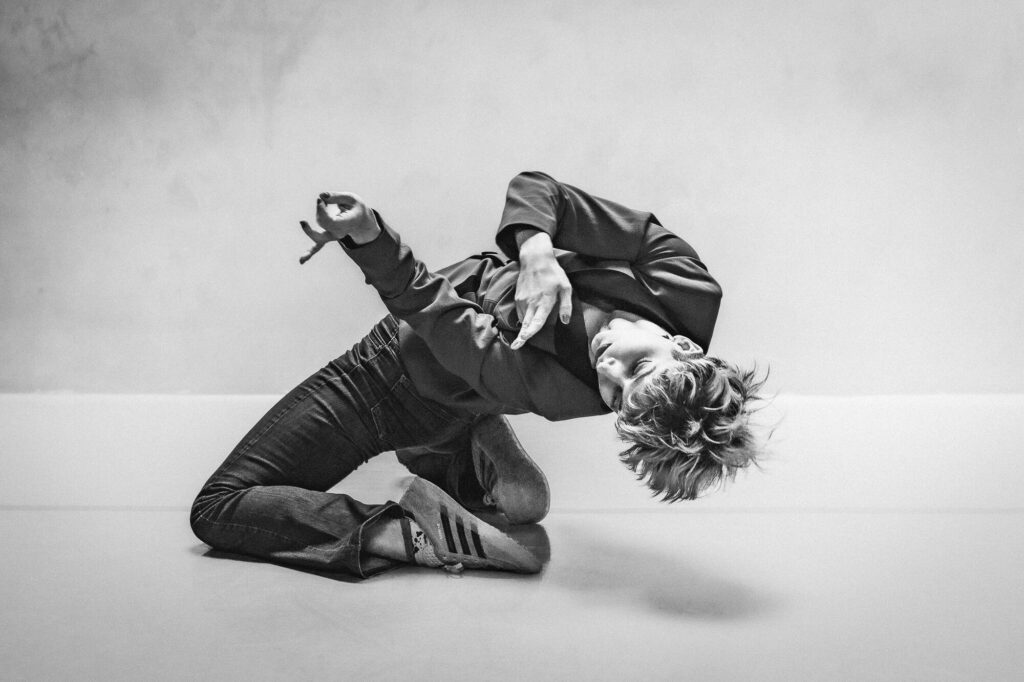
The solo B-612 is inspired by the Little Prince’s planet, a place that is not special in itself, but becomes so through the care, presence and time we devote to it. Through improvisation, the performance explores how the relationship between body and space is continuously built and transformed. Each space becomes a planet with its own atmosphere, while every movement leaves a trace that reshapes it. The performance unfolds in real time as an encounter between body, space and audience.
Dora Šesto is a Zagreb-based dancer and choreographer whose work develops through improvisation, the musicality of the body, and the relationship between movement and sound. She graduated in Contemporary Dance from the Academy of Dramatic Art in Zagreb and is currently completing her Master’s degree in Dance at the Royal Conservatoire of Antwerp. Her work relies on physical expressiveness, spontaneity and the performer’s presence, exploring different ways in which movement can be built and transformed in performance. She is the author of the solo works Funk Up and Get On The Good Foot, as well as the collaborative project Nevjerojatna tijela. She has further developed her dance practice through work with Anton Lachky and David Zambrano, as well as through international educational programmes and residencies.
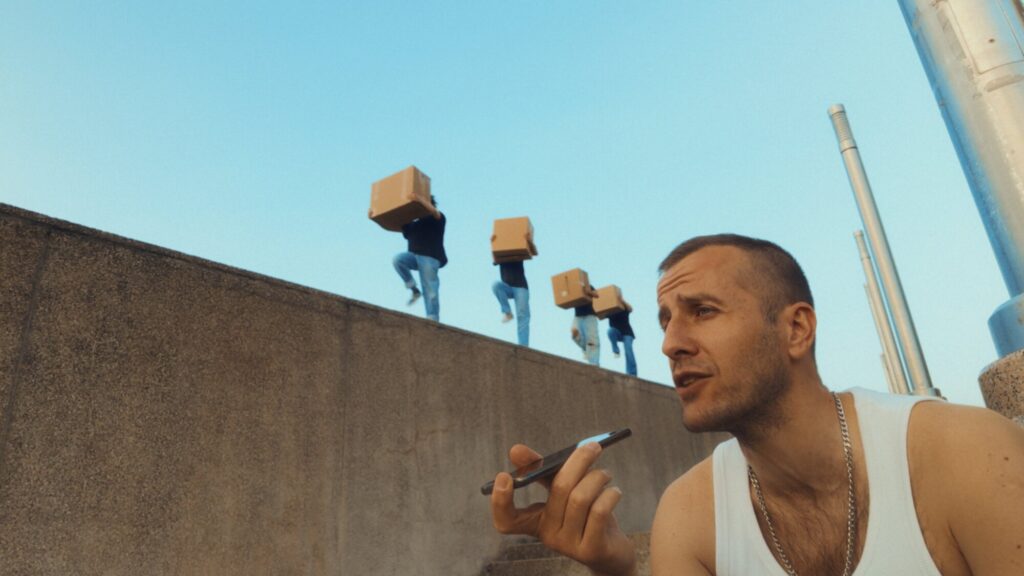
How does a freestyle grow from a first idea? Through wordplay, rhymes, brainstorming and free writing, participants will explore different ways of improvising over a beat, developing associations and shifting perspectives. The focus is on spontaneity, letting go of the fear of making mistakes, and finding one’s own voice.
Kandžija has been one of the most recognisable names on the Croatian hip-hop scene for more than fifteen years. As the founder and frontman of his band, he has released seven studio albums and built extensive live experience across the region. His work is firmly rooted in hip-hop while remaining open to a wide range of genre influences, with lyrics that bring together everyday life, social commentary, humour and emotion. The albums Beton, Plafon and Nema labavo have been recognised as important regional releases, while his latest album, Trostruki salto, won both the Porin and Rock&Off awards for Hip-Hop Album of the Year.


Grandmaster Flash is one of hip-hop’s key pioneers and one of the artists who helped turn DJing into a creative discipline in its own right. In the genre’s earliest days, he developed his own Quick Mix Theory, perfected beat looping, and was among the first to use the turntable as a true musical instrument. His techniques have had a profound influence on generations of DJs, producers and hip-hop artists, while The New York Times has called him hip-hop’s first virtuoso.
With Grandmaster Flash and the Furious Five, he became part of the first hip-hop group inducted into the Rock & Roll Hall of Fame in 2007. He received the Grammy Lifetime Achievement Award in 2021 and the Polar Music Prize in 2019, and his influence extends far beyond his own discography. He also worked as an associate producer on Netflix’s The Get Down, a series about the birth of hip-hop in the Bronx in the 1970s. His live shows today return to that formative era of hip-hop — a culture he himself helped shape.
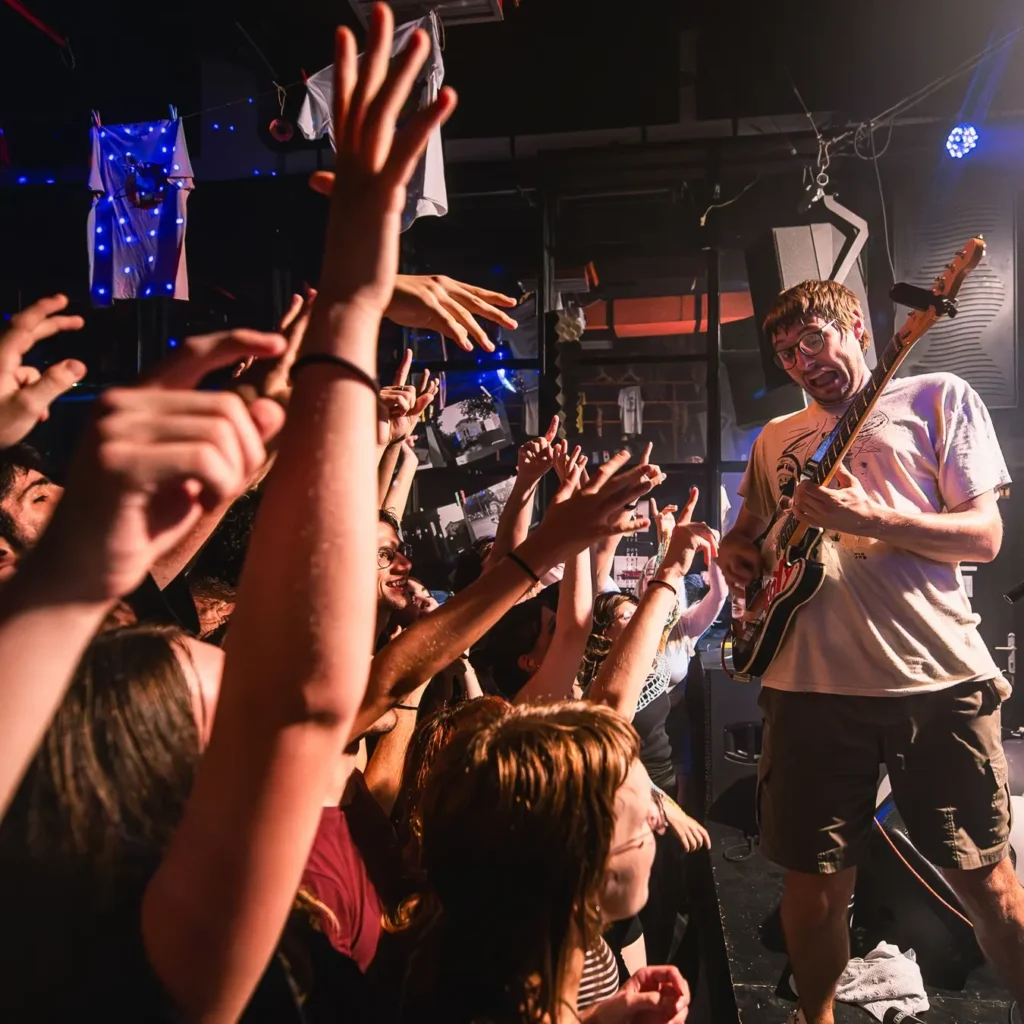
IDEM quickly became one of the most prominent new names on Croatia’s independent music scene, building a loyal audience across clubs and festivals throughout the region. A two-night sold-out album launch for CIAO at Zagreb’s Tvornica kulture and Boogaloo, a Porin Award for Best New Artist, and six Rock&Off awards all testify to how rapidly the project grew beyond its initial hype.
Behind IDEM is Antun Aleksa, trombonist of Porto Morto and JeboTon Ensambl, as well as guitarist and vocalist of Trophy Jump. Through bittersweet songs, Antun writes about the things that matter to him, imagining them first and foremost as hits for himself, and only then, potentially, for a wider audience. In just over two years, IDEM has released ten singles and two albums, poyy and CIAO, developing a distinctive songwriting voice that works equally well on record and live.
Iris is part of Underground Control, a collective that has been shaping Split’s underground and house scene for more than two decades through club nights, international guest appearances, and projects such as EgoFree Festival and the summer parties on Barbarinac. She began DJing alongside Miro, one of the collective’s founders, and her musical style is a natural extension of her long-standing connection to house music and club culture.

“Listening to Julián Mayorga is hearing the current Colombian sound taken to even more exciting terrain. His music is everything that defines him: experimentation, humor, reflection, passion.” (Joan Escutia, Vogue Mexico)
Colombian-born and based in Madrid, Julián Mayorga is one of the wildest figures to emerge from the new Latin American tropical scene. Cumbia, psychedelia, avant-garde and pop all find their way into his restless, playful music, where language and sound are constantly pushed in unexpected directions. His songs draw on the landscapes, stories and mystical imagery of Tolima. His 2024 album Chak Chak Chak Chak pushed that approach even further, with Glitterbeat describing it as a feverish, absurdist take on post-cumbia psychedelia.
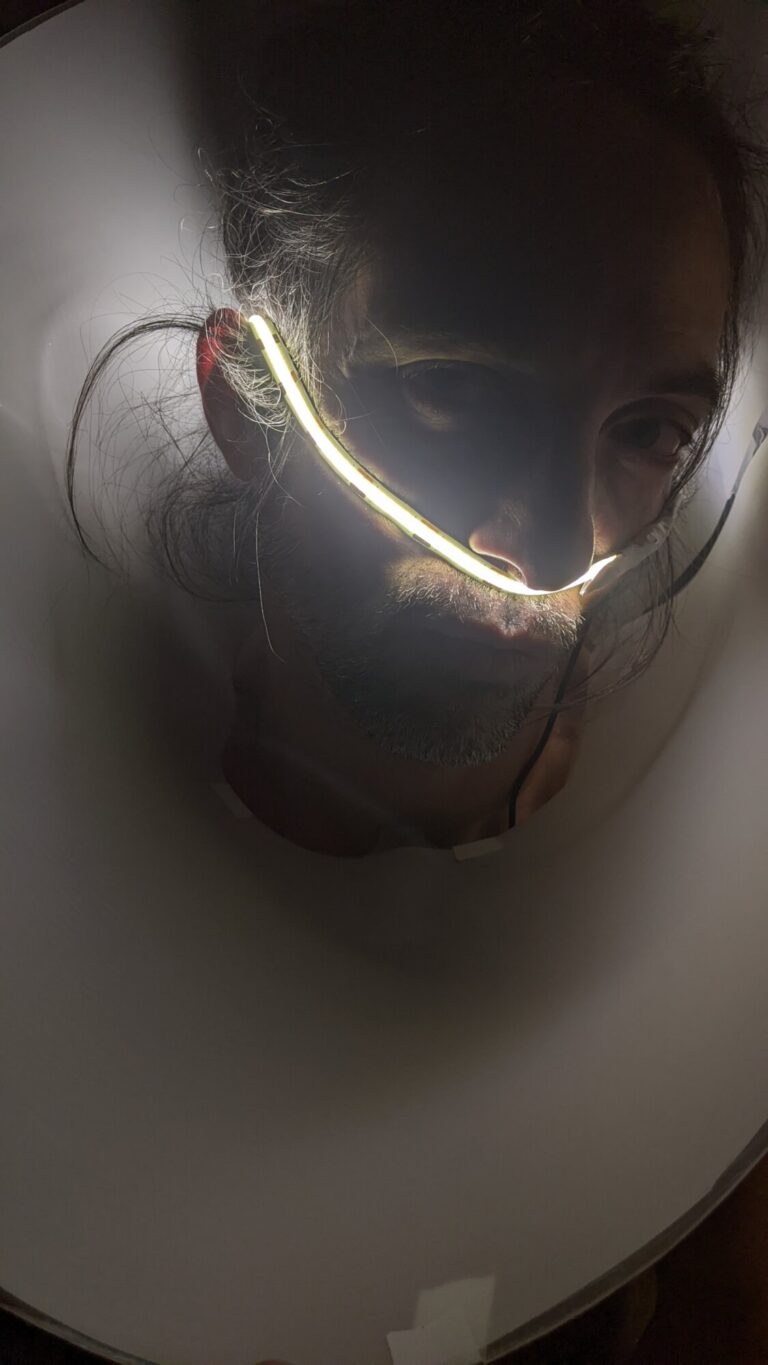
Jung An Tagen is the artistic alias of Austrian musician and filmmaker Stefan Juster, whose career spans two decades of record releases (Editions Mego, Diagonal) and performances at festivals such as Unsound and Sonic Acts. For Planet Dom, he has prepared a special set based on material from the albums Revenge of the Speaker People and Phantom Acid, combining psychoacoustics with a techno framework and visual elements borrowed from underground club culture.
Taking otoacoustic emissions (OAEs)—the ability of the human ear to produce very quiet sounds of its own—as his starting point, he creates music that incorporates this phenomenon into beats and stripped-down electronic textures, generating warped forms that make the head spin and the ears tingle. This is techno in its most unusual form, where what we recognize as musical material turns into an acoustic illusion; techno that does not necessarily invite you to dance, but instead induces a state of exhilarating disorientation and destabilizes musical syntax itself. A set to be experienced as much with the body as with the ears, in Beton kino, where the boundaries between external sound and our own perception will dissolve.
Kid VA, real name Vanja Purić, is a DJ and the founder and organiser of the Voi’Sa festival. His deeper involvement in music began in 1999 with his work at Radio Brač, where he developed a broad interest in different genres and approaches to music. Ten years later, he launched Voi’Sa, which grew into a summer festival in Supetar on the island of Brač. Its programme spans jazz, funk, hip hop, soul, bossa nova, bass, breaks, boogie/disco, soulful house and electronic music, and that same wide musical range is reflected in his DJ sets.

KLFM Soundsystem is a fluid collective of music selectors from Split, organized under KLFM – a community radio station. For many years, they have brought an eclectic musical approach beyond genre or geographical barriers through their live music selections
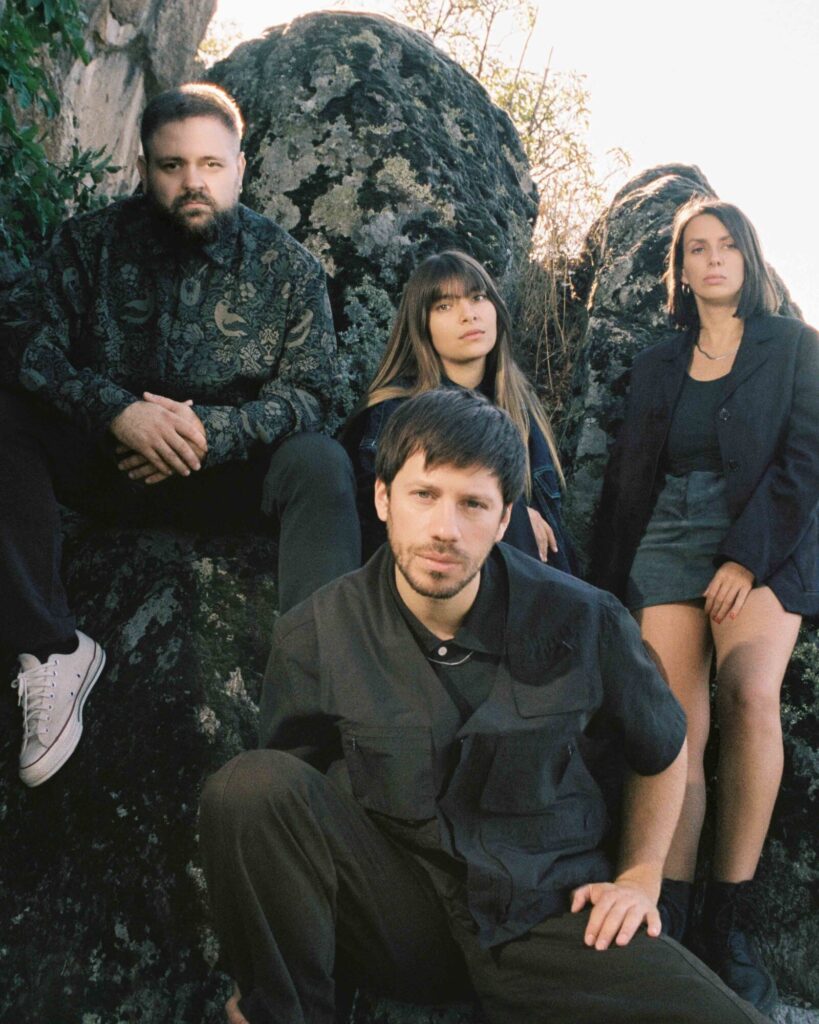
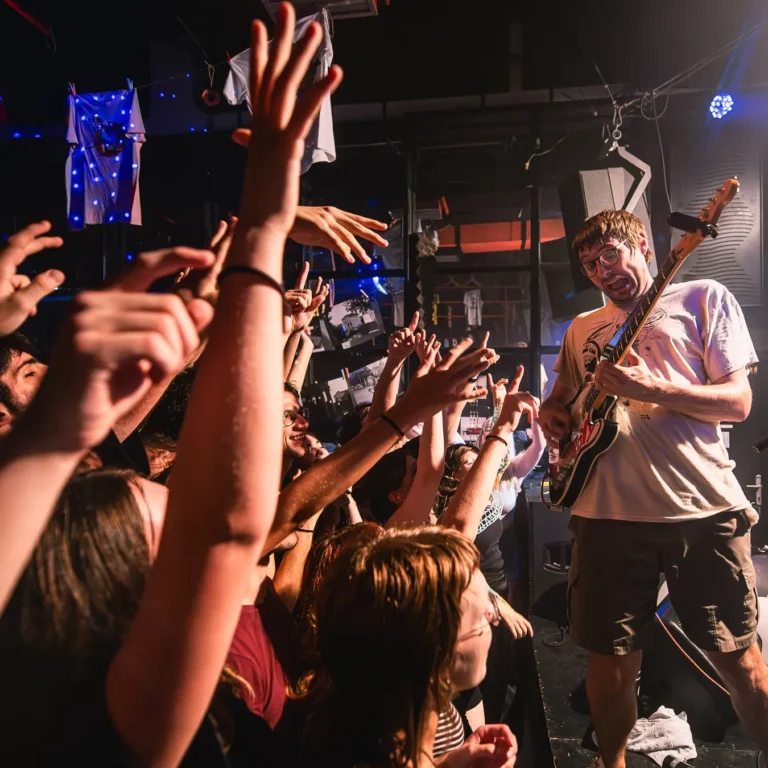
Belgrade band KOIKOI have become one of the more prominent names on the regional alternative scene in recent years. Their sound moves between psych-rock, post-punk and electronic music. Their debut album Pozivi u stranu opened the door to the European scene: they have played more than 150 shows across 18 countries, were nominated for the 2023 Music Moves Europe Award, and performed at Eurosonic, Reeperbahn, Europavox, Fusion, INmusic, Exit and Arsenal.
In 2025, they appeared at Waves Vienna, SoAlive and SHIP Festival, and supported Fontaines D.C. in Belgrade. Rolling Stone UK described them as “Serbian psych-rockers whose sonic power is palpable, with an electrifying sound and fully charged live energy.” Their album O sreći u snovima, released in November 2025, was also featured on KEXP and went on to win two Balkan Album of the Year awards.
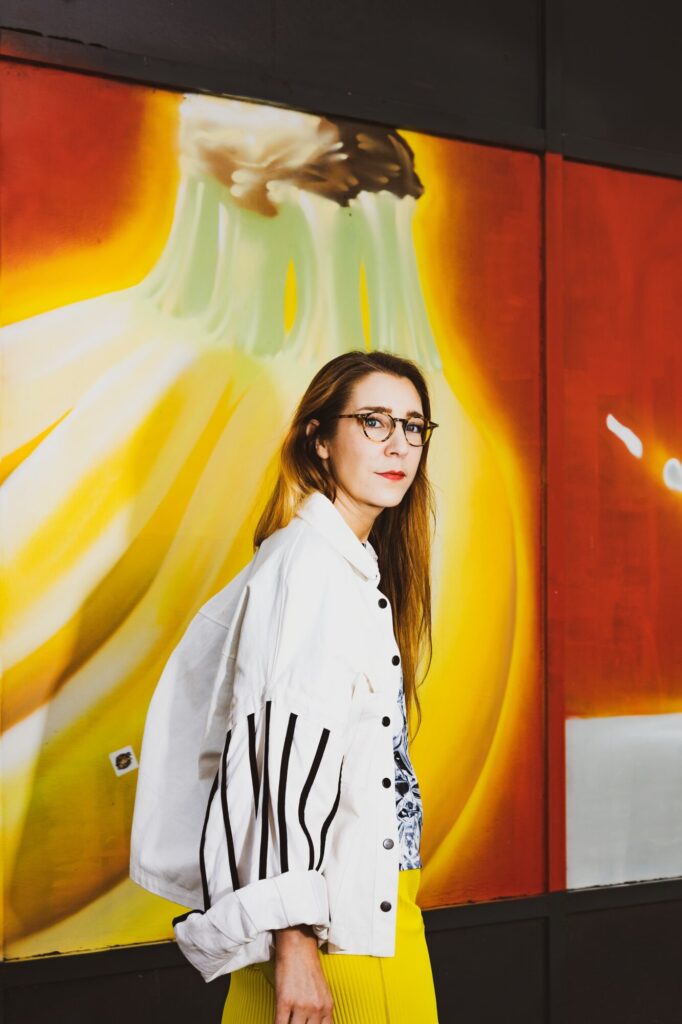
Lena Willikens has earned a reputation as a “DJ’s DJ” thanks to her remarkable versatility and the word-of-mouth admiration she has built among fellow DJs and audiences over the years. No two of her sets are the same, and behind that range lies a vast record collection assembled over decades and constantly renewed through listening, discovery and an instinctive sense of what can work on the dancefloor.
From the rave scene of the 1990s and Düsseldorf’s legendary Salon des Amateurs, she went on to build an international DJ career, alongside hosting the Homunkuli show on NTS and working across production, remixes and compilations. Her ability to change direction in an instant is one of the defining features of her sets. Moving between UK bass mutations, motorik rhythms and European synth curiosities, she intuitively connects sounds that might seem unlikely companions on paper, while maintaining both coherence and sensuality on the dancefloor.
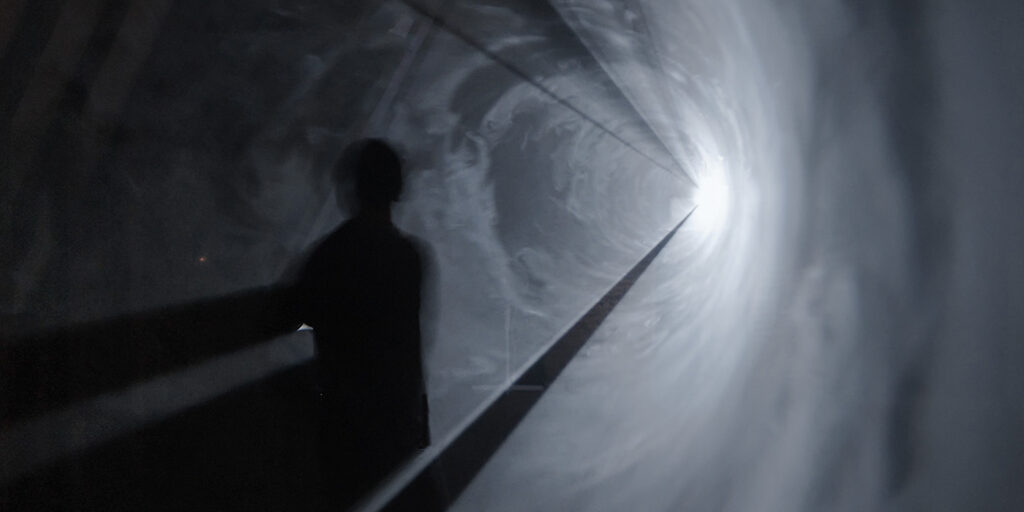
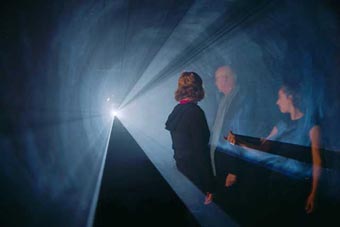
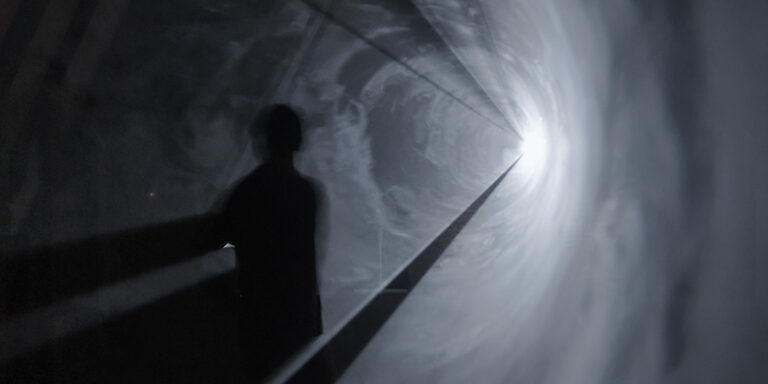
Anthony McCall (1946) is one of the key figures of 1970s expanded cinema, known for his pioneering “solid light” works that explore the space between film, sculpture, and performance. Line Describing a Cone is the first and best-known film in the series – at once a light installation and a sculpture realized through 16mm film projection.
The audience stands in a darkened space and watches the film – that is, the beam of light emerging from the projector. Over the course of half an hour, a thin beam of light gradually evolves: from a single dot that becomes a curved line tracing a circle, into a three-dimensional hollow cone. The projection invites us to look into the cone of light, stand inside it, walk through it, or lie beneath it – to become part of the process that becomes the film's content.
A legendary work.
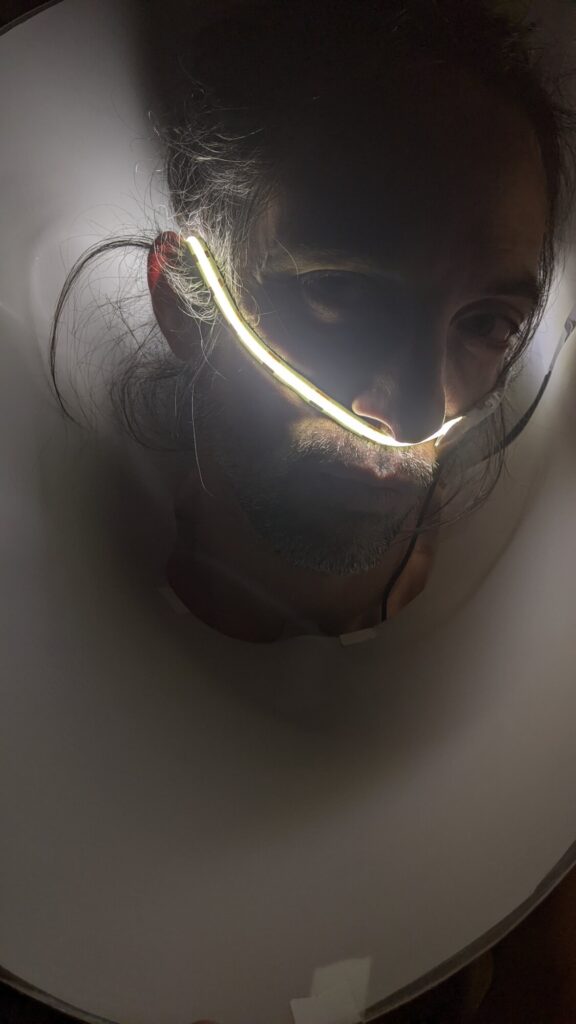
Adrià Montaña
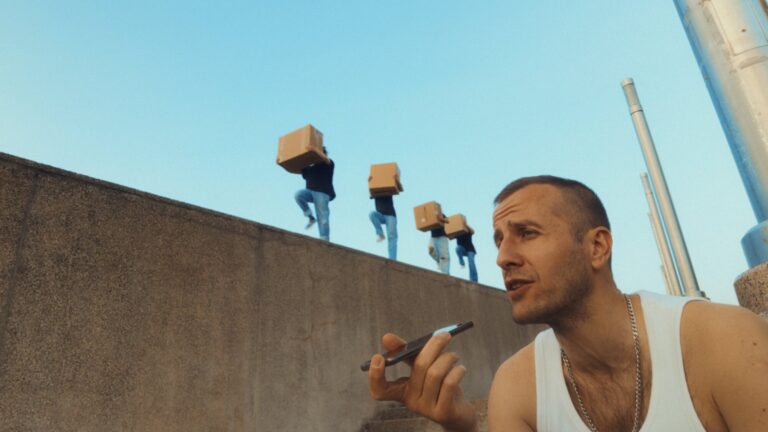
The performance is conceived as a multidisciplinary solo combining movement, theatre, object theatre, circus and micro-cinema, with a critical, absurd and subtly humorous tone. At its centre is a man in his forties, a former cameraman and “juggler of liquids”, who observes the world from a basement filled with screens and hidden cameras, through both digital and analogue lenses. Faced with the accelerating advance of machines, he does not resist it, but instead tries to reinvent himself. Through this absurd and intimate world, Little Things reflects on technology, isolation, memory and what remains uniquely human.
Adrià Montaña is a co-founder of contemporary circus company PSiRC, established in 2011. The company’s first production, Acrometría, toured Europe and Latin America for a decade, with more than 200 performances in 12 countries, and received several awards, including FETEN, Freiburger Leiter, Zirkolika and FAD. Since then, Montaña has built a strong career in contemporary circus, creating works such as El meu nom és Hor and the stage saga After All. His productions have been co-produced by major festivals and institutions and presented at venues including Mercat de les Flors and Teatre Nacional de Catalunya.
Make a Mistake
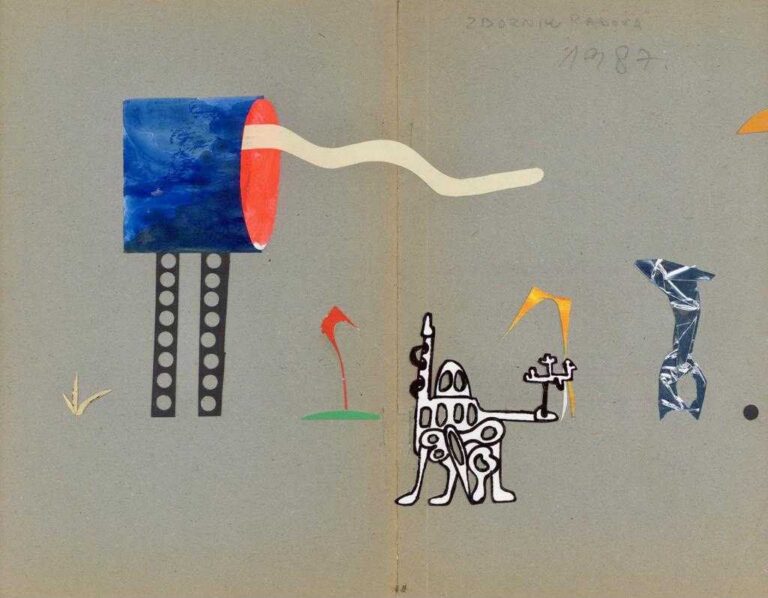
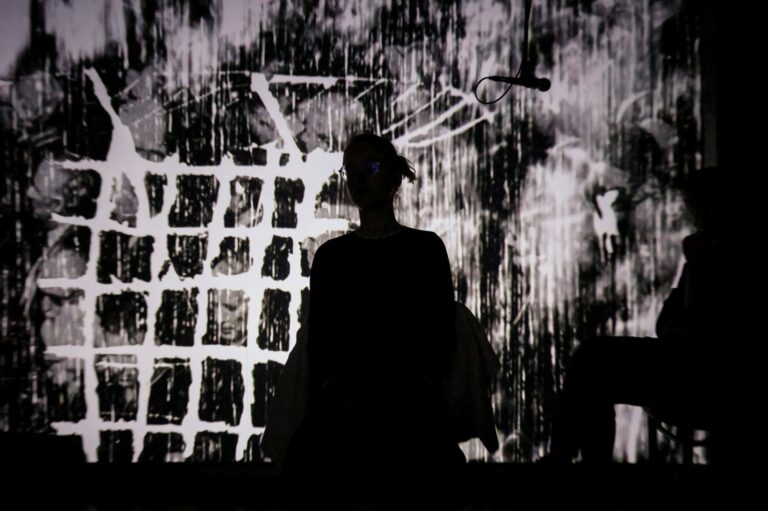
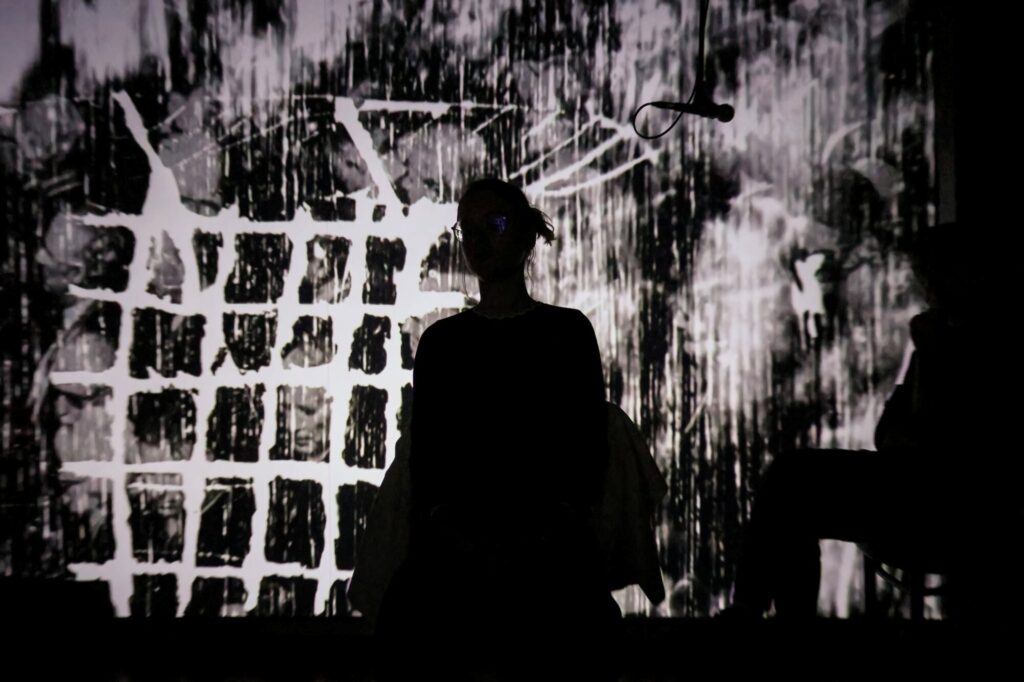
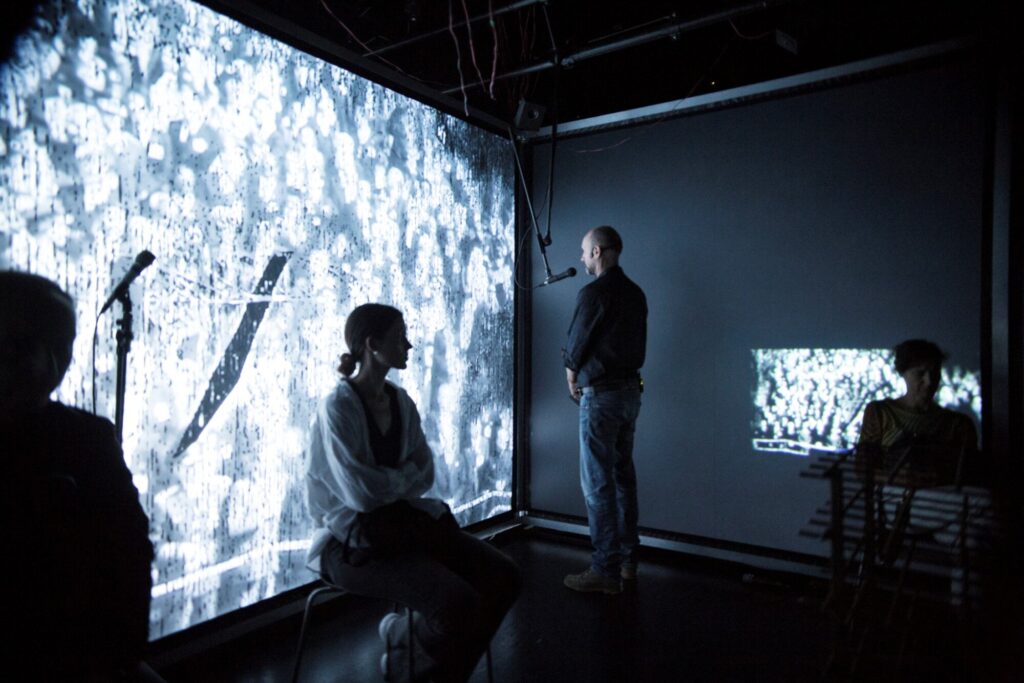
The animations are brought together in the exhibition space as a unified whole, where their sounds and moving images create a subtle cacophony that connects them and shapes the specific atmosphere of the exhibition. At the same time, each work retains its own position and autonomy, allowing the viewer to engage with it individually and follow its internal rhythm. Although they share a recognisable visual language, each animation develops its own narrative and functions as a world of its own. Works that usually appear as parts of installations and in dialogue with other media are here removed from those relationships and, for the first time, presented together as independent protagonists of the exhibition.
Marko Tadić is one of Croatia’s prominent contemporary artists, and his practice encompasses drawing, collage, installation and animation. He graduated in painting from the Accademia di Belle Arti in Florence, and his work often explores the legacy of modernism, archives, fictional spaces, and the ways in which images and objects can create new narratives. He has received numerous awards, including the Radoslav Putar Award for Best Young Contemporary Artist in 2008 and the Vladimir Nazor Award for Best Exhibition in 2015. His films have been screened at many international animation and experimental film festivals, while his works have been exhibited in Croatia and abroad. In 2017, together with Tina Gverović, he represented Croatia at the 57th Venice Biennale. He teaches at the Academy of Fine Arts in Zagreb.
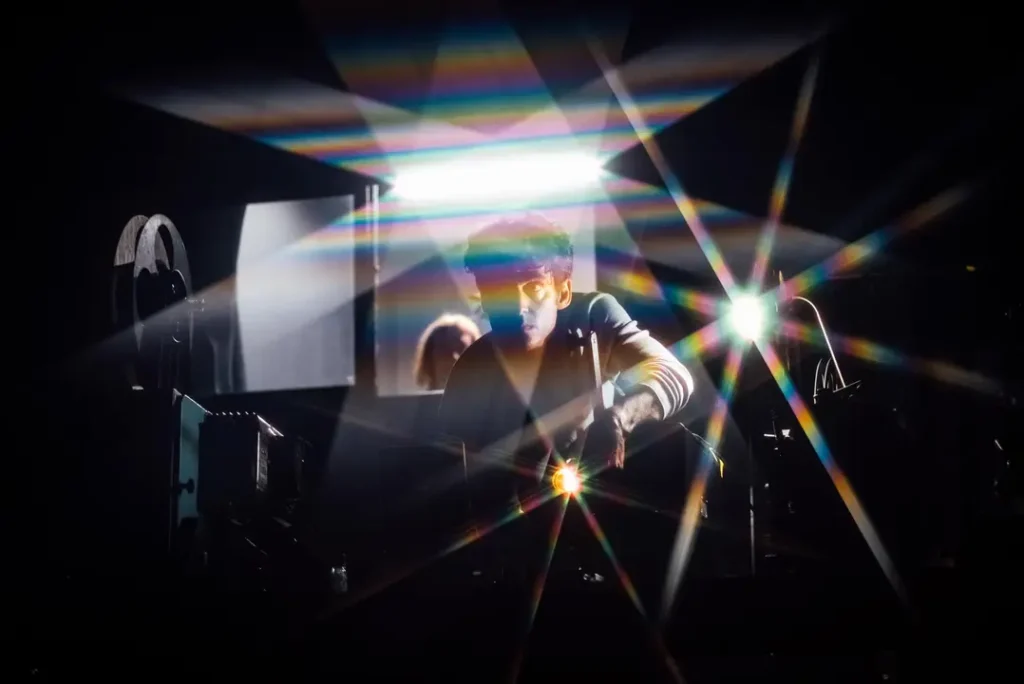
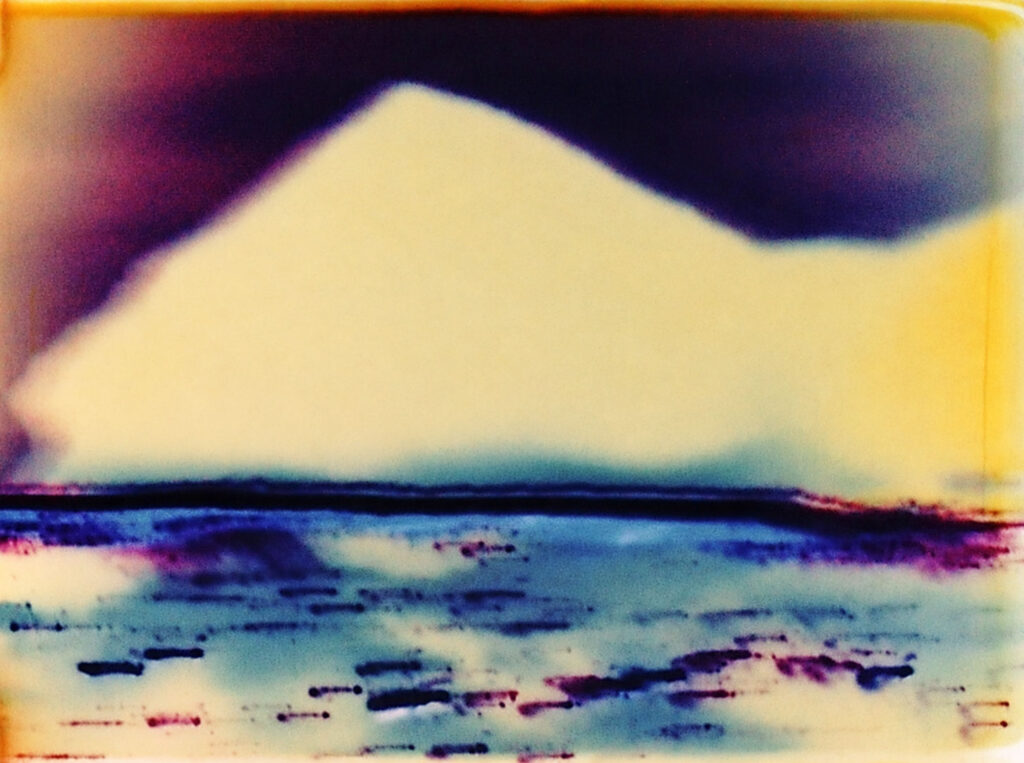
Eye Ardentía, expanded cinema performance
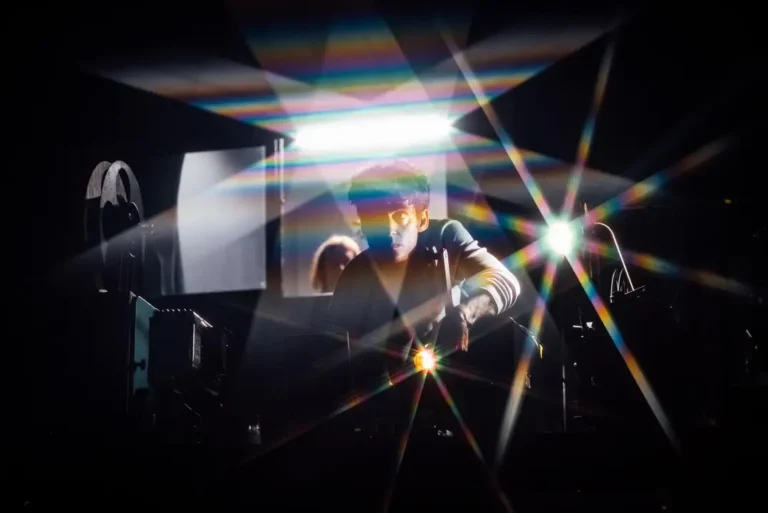
For centuries, the sea of ardor was part of the mythology of sailors crossing the Indian Ocean. Jules Verne also evokes it in Twenty Thousand Leagues Under the Sea, describing the Nautilus passing through a phosphorescent layer of water, a phenomenon attributed to luminous marine organisms. In the film performance Eye Ardentía, this mysterious phenomenon becomes the starting point for a hypnotic contemplation of sea, light, and movement, created through the mechanics of classical cinema. Photochemically processed images on film are composed live using three 16mm projectors, with their beams of light expanded and compressed through lenses, prisms, and dimmers. Accompanied by an evocative electronic soundtrack, a pulsating vision of the sea’s shimmering beauty will emerge from the darkness of the Amphitheatre.
Miguel Ángel Puertas is an experimental filmmaker and audiovisual artist who has been exploring analogue film and its materiality since 2006, working in artist-run film laboratories in Belgium and Spain. He is the co-founder of several collectives dedicated to expanded cinema and the relationship between light and sound, and has presented his film performances in cinemas, galleries, and at international festivals.
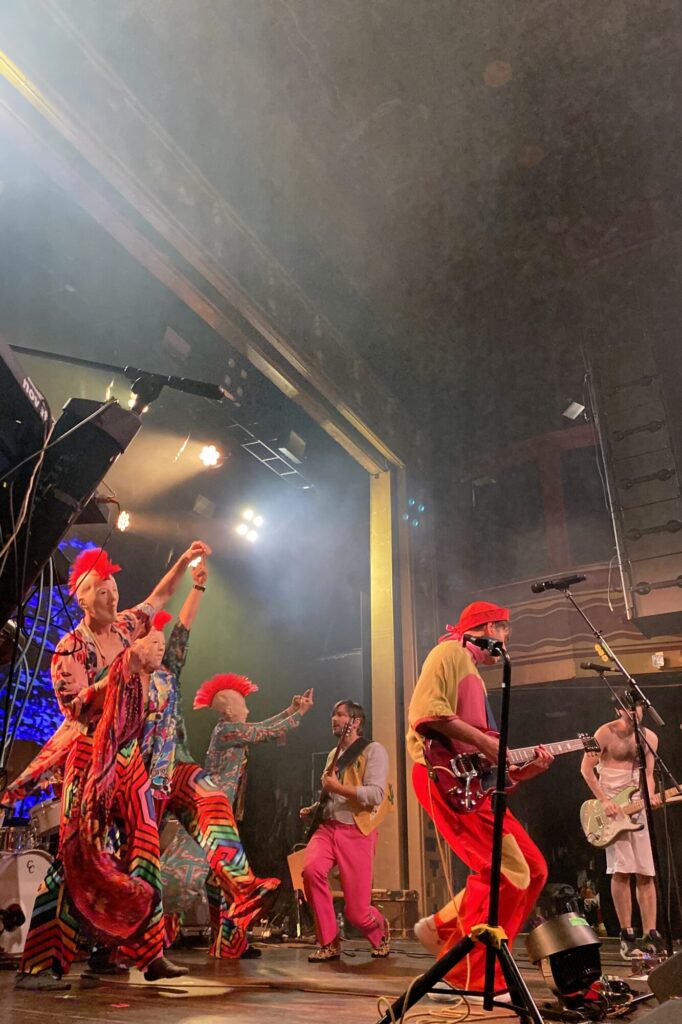
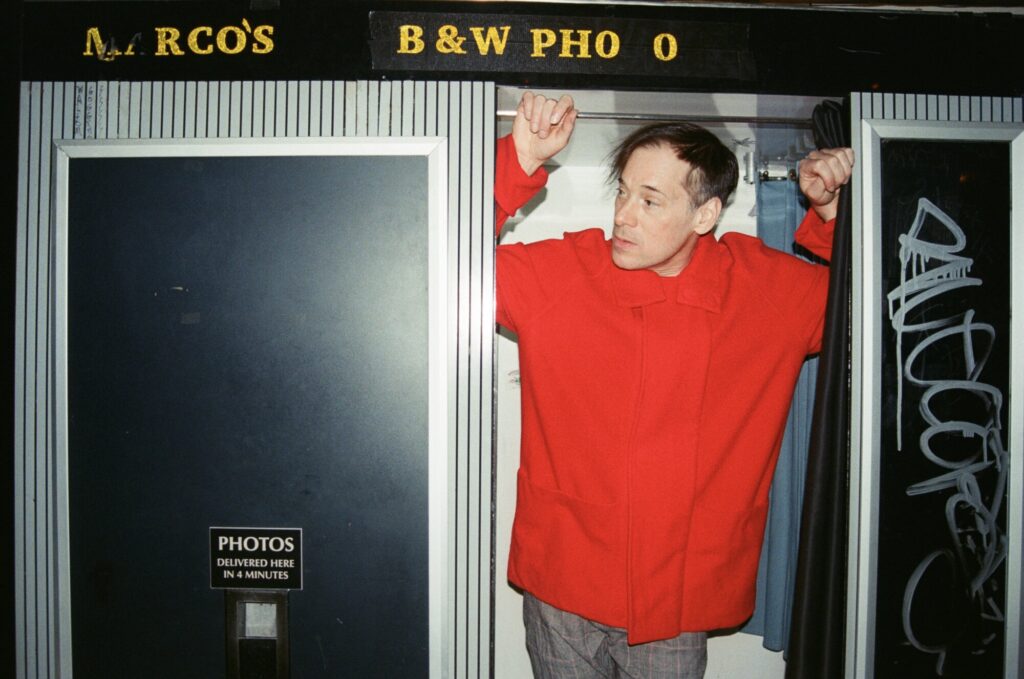
of Montreal is an American indie pop / psychedelic pop project led by songwriter and multi-instrumentalist Kevin Barnes. Active for nearly three decades, the band has developed a distinctive blend of glam rock, psychedelia, funk and synth-pop across twenty studio albums, paired with highly personal lyrics and theatrical live performances. Among their best-known releases is Hissing Fauna, Are You the Destroyer?, and over the years they have collaborated with Solange, Janelle Monáe and Jon Brion, while appearing at festivals such as Coachella, Primavera, Lollapalooza and Vive Latino.
Their new album aethermead was released on June 5 via Polyvinyl Record Co. and marks their 20th studio album. The record explores breakup, frustration, desire, healing and personal renewal, continuing Barnes’ long-standing practice of turning intimate experience into unconventional pop. of Montreal will present the new album live in Europe this year exclusively at Planet Dom.

Vasiliki Papapostolou aka Tarantism
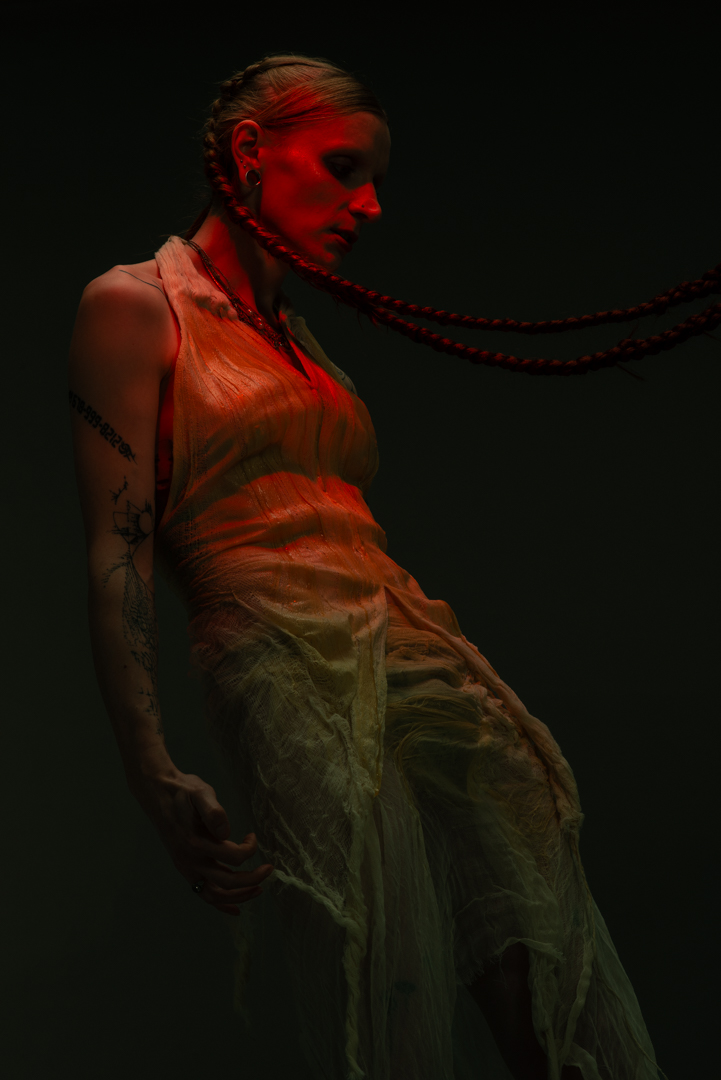
PANOPTICON draws on Bentham’s concept of a prison based on constant surveillance and Foucault’s interpretation of a society in which individuals internalise the gaze of others and begin to monitor themselves. In the performance, red hands symbolise control, constantly watching over a body that resists mechanised existence, conformity and the need for everything to remain predictable. The work explores the tension between order and chaos, the desire to be seen and the need to escape the judgement of others, as well as questions of identity in a world shaped by surveillance.
Vasiliki Papapostolou, known as Tarantism, is a Greek dance artist and choreographer working internationally. Her work is characterised by intense physicality and layered storytelling, often exploring the ways in which control and different social mechanisms shape human experience. She holds a BA in Contemporary Dance from Trinity Laban Conservatoire in London and an MA in Education with Distinction from King’s College London. Her work has been presented at numerous international festivals and venues, with her solo PANOPTICON standing out in particular. The piece has toured across Europe, the USA, Canada and South Korea and has received multiple international awards.

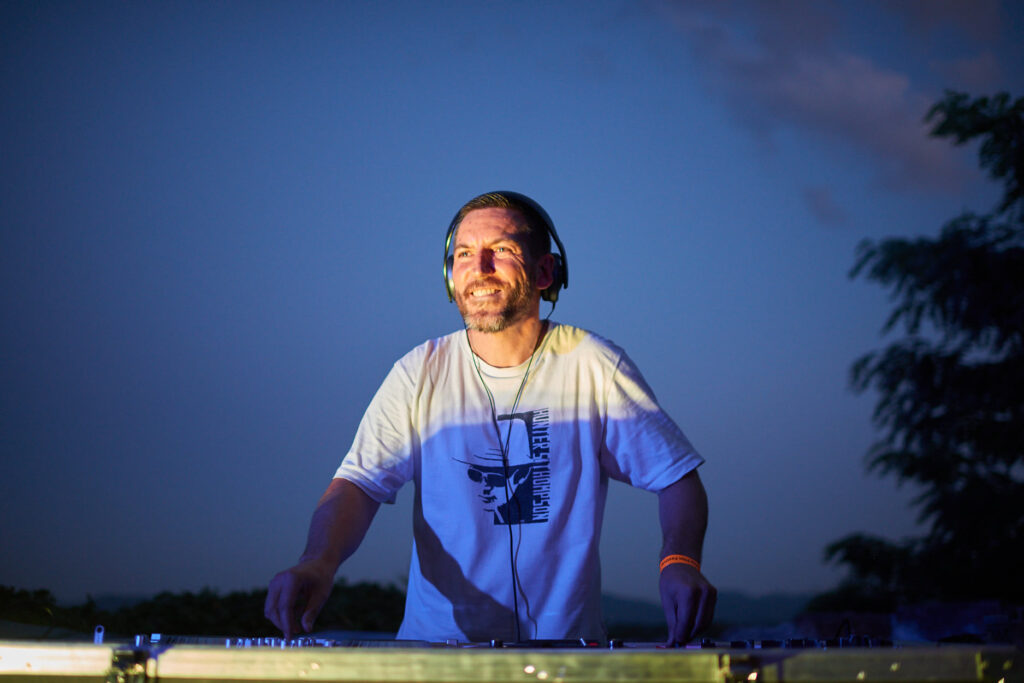
Plazmatick is celebrating 30 years of working under this name. He once performed with the band Suburban Orchestra, while today he performs exclusively his own music and productions, with sets moving between broken beats, ambient textures, IDM and experimental electronics. For Planet Dom, he is preparing a selection from his last four albums, unreleased remixes and material from the yet-unreleased album Ego Rodeo.
It will also mark his first performance in Split as Plazmatick, while part of the set will feature newer vocal-based material that he will present to an audience for the first time. A special place in his discography belongs to the album Hrđava vremena, whose cover features a photograph by legendary Japanese photographer Seiji Kurata. In 2020, the album played for a month at Tokyo’s Zen Gallery as the soundtrack to Kurata’s posthumous exhibition.